President Trump is pursuing a carefully calculated two-stage approach to resolving the Iran crisis, according to analysis presented on GB News. The strategy aims to secure quick wins on the most economically damaging aspects of the standoff before tackling the thornier nuclear issues in a longer negotiating window.
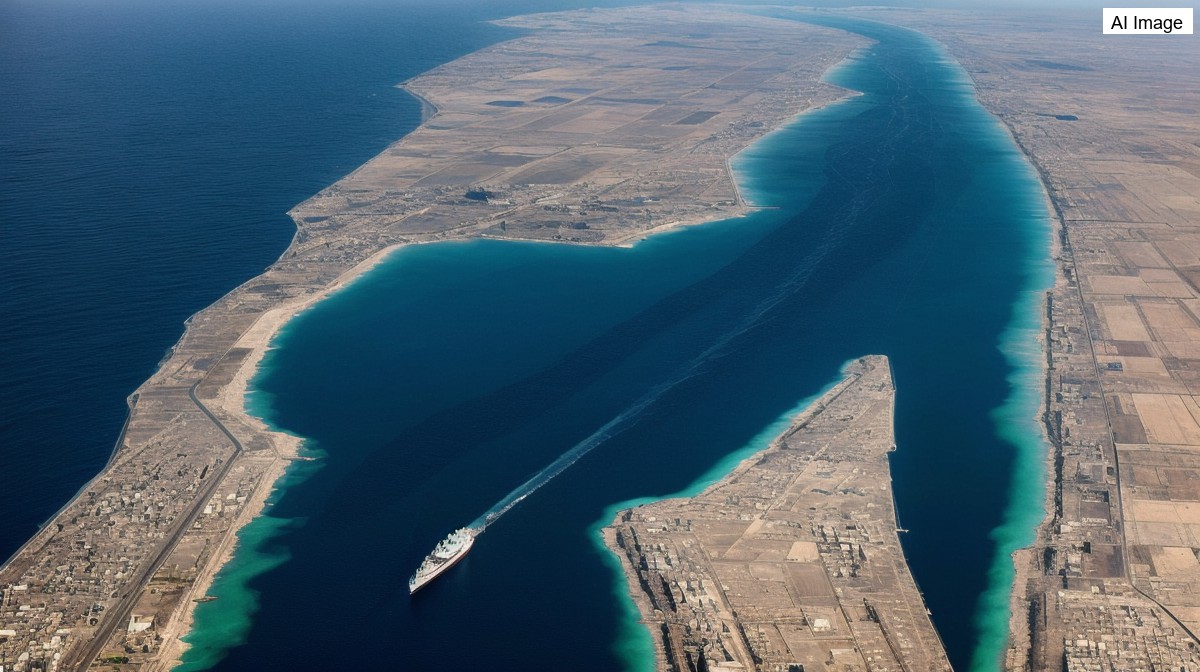
The first stage focuses on two immediate priorities: establishing a ceasefire and reopening the Strait of Hormuz to international shipping. The closure of this critical waterway has driven up global oil prices and hit petrol costs for American consumers, directly affecting Trump's MAGA base and undermining his promise not to embark on costly overseas engagements.
Once the strait is reopened and the immediate crisis defused, Trump's plan would park all the difficult questions, including the nuclear file that has dominated US-Iran relations for decades, into a 60-day negotiation period for a larger, more comprehensive agreement. Analysts suggest this approach allows Trump to claim an early victory while buying time on the most contentious issues.
The timing is far from coincidental. With the FIFA World Cup set to take place on American soil, Trump is reportedly eager to draw a line under the Iran situation and shift public attention to more positive narratives. The prospect of hosting the world's biggest sporting event while simultaneously embroiled in a Middle Eastern crisis is not the image his administration wants to project.
However, the strategy faces significant obstacles. Trump cannot move to the second stage until the Strait of Hormuz is reopened, and Iran has shown no willingness to concede on this point without guarantees of its own. Analysts note that Trump also has the Cuba card to play as additional diplomatic leverage, but the fundamental challenge remains convincing Tehran that a deal serves Iranian interests as much as American ones.