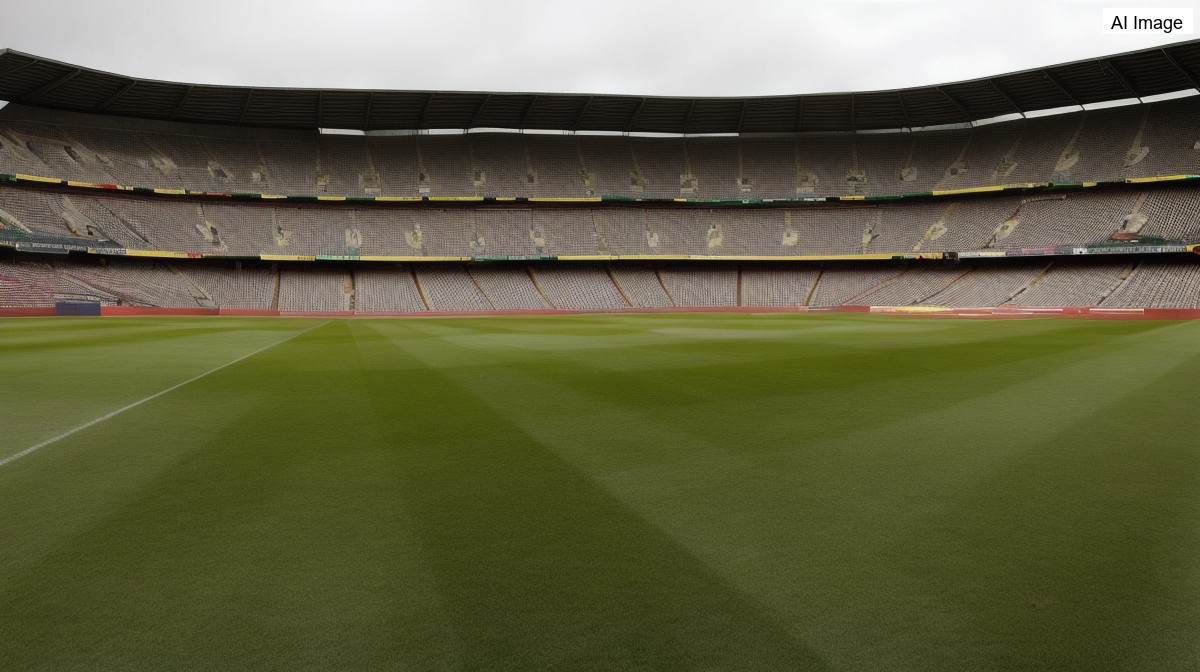
Lord's, long known as the home of cricket, is facing serious questions over the state of its pitches after a Test match played on a surface described as dangerous and unpredictable. The wicket behaved so erratically that the MCC, which runs the ground, has acknowledged it must act quickly. What unfolded over the match has turned a long-running concern into an urgent problem.
The trouble was obvious from the very first ball, which shot along the ground past the opening batsman's stumps. From there, the surface offered little consistency. Some deliveries kept dangerously low while others reared up off a length, striking batsmen on the hands, and the result was a string of dismissals that owed more to the pitch than to the batting.
At the heart of the issue is overuse. Only five strips in the middle of the square can be used for major matches, because of the positions needed for broadcasting and spectators. Years of heavy scheduling have left those strips lifeless and tired, robbing them of the bounce and pace expected at the highest level of the game.
The MCC had already recognised the problem and tried to fix it ahead of the season. Over the winter, in October, the pitches were steamed using a device said to reach around 200 degrees Celsius, a method also used at the All England Club for Wimbledon to kill weeds and pathogens and strengthen the grass. Despite the effort, it plainly did not work.
Now the governing body says it must move fast. In a statement, the MCC accepted that it has to act quickly, and it is understood to be experimenting with drop-in pitches nurtured in the nursery end of the ground. The technique is used overseas, particularly in Australia, where surfaces are prepared away from the square and then lowered into the middle.
There are, however, significant obstacles. Lord's famously has a slope of around eight feet from one side of the ground to the other, which complicates any attempt to drop in a pitch. Modern drainage has also drawn much of the moisture out of the square, leaving it dry and worn, which makes a quick solution far from straightforward.
The pressure to find an answer is considerable. Lord's is due to stage three Test matches this year, including the first ever women's Test at the ground, as well as the Women's World Cup final and one-day internationals against India. With the recent match lasting only 166 overs, less than two full days of play, and surviving that long only because of rain, the stakes for getting the surface right are high.