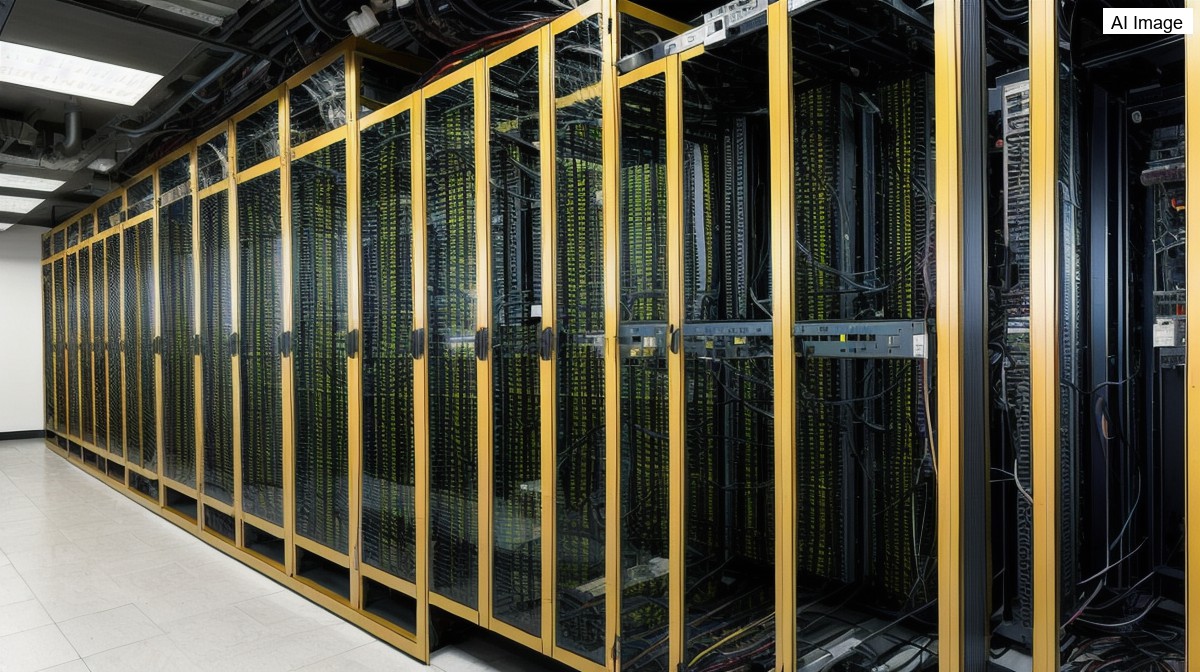
Prime Minister Keir Starmer has used a speech at London Tech Week to set out a new strategy aimed at building up Britain's own computing power for artificial intelligence. At the heart of the plan is what he described as a commitment to develop sovereign compute capability, reducing the country's reliance on infrastructure held elsewhere. He framed the announcement as part of a wider push for Britain to lead what he called a new revolution in technology, with its firms at the front and its people at the core.
The centrepiece of the announcement was a major new commitment to purchase specialist AI chips worth about 400 million pounds. Starmer said the move offered a generational opportunity for some of the country's most promising start-ups, giving them access to the kind of computing power that is increasingly essential to building advanced AI. The pledge signals an attempt to put hardware, not just talent, at the foundation of the UK's ambitions in the field.
Alongside the chips commitment, the Prime Minister said the government would scale up its testbed for AI compute systems and turn it into a national capability. This would be supported by a multi-billion pound infrastructure programme designed to back British start-ups. The aim, he said, was to ensure that ideas born in Britain could also grow in Britain, rather than being forced to scale elsewhere once they reached a certain size.
Starmer set out three priorities for the strategy. The first was keeping Britain the home of new ideas by giving innovators the tools to stay at the cutting edge, pointing to record levels of research and development funding already committed. The second was creating the right conditions for firms to scale, by crowding in capital and betting on British businesses. The third was for government to act not only as a regulator but as a partner to the industry.
As part of that partnership, he said the government would use the power of public procurement to support British ingenuity and give domestic innovators the best chance to compete for public contracts. He presented this combination of funding, infrastructure and procurement as the shape of an active industrial strategy in technology, intended to build the foundations of the future and back the companies creating it.
The Prime Minister also pointed to private investment already flowing into the country as evidence of momentum. He cited Reflection AI, which he described as one of the world's most promising AI firms, expanding in Britain and creating a thousand roles over the next three years, drawing on the local talent pool. He added that companies such as AMD were also doubling down on Britain, with more set to be heard from at the event.
Throughout the speech, Starmer leaned on Britain's history of innovation to make his case, noting that this was the country that invented the World Wide Web, pioneered the jet engine and powered the industrial revolution. He argued that innovation was in the nation's DNA and that it was the job of government to match that talent with an equal scale of ambition. The strategy, he suggested, was about giving working people security and opportunity through the changes that technology brings.