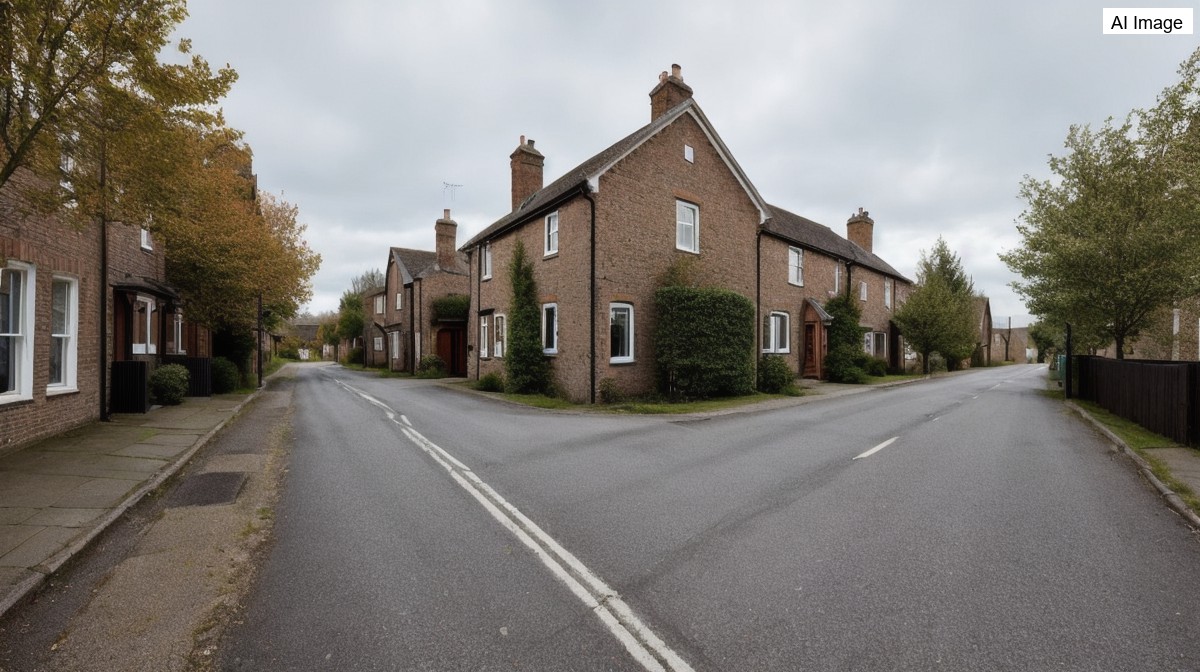
Road safety advisers have told the government that the speed limit in every built-up area in England should be 20 miles per hour. Their recommendation calls for a blanket limit across all towns, a significant shift from the 30mph that has long been the default in many residential and urban streets.
The advisers argue that the change would bring savings, framing a lower limit as a measure that would pay off as well as make roads safer. They are pressing for the limit to apply broadly rather than street by street, which would mark a major change in how speeds are managed in England's towns.
In practice, though, the power to act does not lie solely with the advisers or with central government. It is up to local councils to set the speed limits in their own areas, meaning any move toward a widespread 20mph standard would depend on decisions taken at the local level.
Some places have not waited and have already dropped their 30mph zones down to 20. Among the early adopters is Howden in East Yorkshire, described as one of the first to make the switch. There, the lower limit was brought in to calm traffic and, it was hoped, to reduce accidents on local streets.
On Pinfold Street in Howden, reminders of the limit are everywhere, yet residents are far from convinced it is working. Some say people simply do not notice the signs and keep going, with one local recalling that three cars were damaged outside their house in the past year. Others said the road was still being treated like a race track, while there was debate over whether speed bumps were needed or would only create more hazards.
Despite those doubts on the ground, the direction of travel at a national level is clear, with senior government advisers recommending the lower limit for built-up areas across England. If their advice is followed, 20 could effectively become the new 30 in the country's towns.