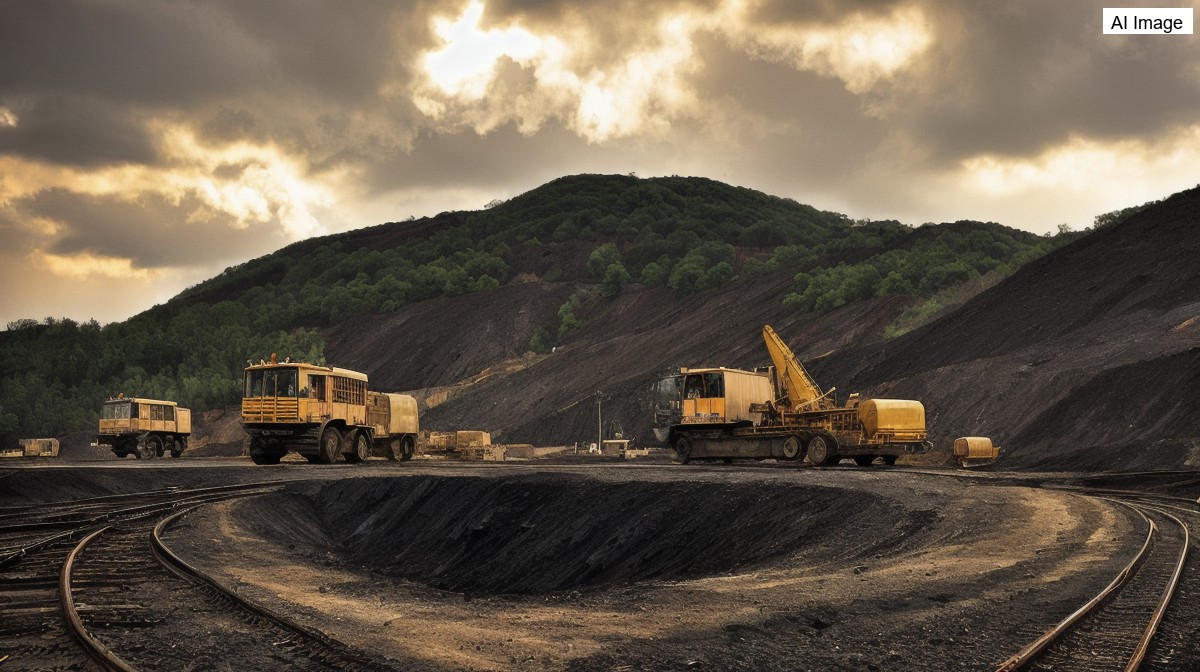
A suspected gas explosion at a coal mine in China has killed at least 82 miners in what is being described as the country's worst mining disaster in 17 years. Almost 250 workers were underground at the time of the blast on Friday at the Liu Shen Yu mine. Rescuers continue to descend into the mine in search of survivors, but it is now reaching the point where finding workers trapped alive is increasingly unlikely.
Collapsing underground roadways and water build-up are making rescue operations extremely difficult and dangerous. Robots equipped with toxic gas sensors, real-time video feeds, and blast protection have been deployed to the most dangerous tunnels where human rescuers cannot safely venture. Despite the mounting odds, teams have not given up the search for potential survivors in the vast underground network.
Local media has reported a shocking detail that compounds the tragedy: around half of the workforce on shift when the accident struck had not officially clocked in and had no emergency GPS trackers, making them significantly harder to locate in the aftermath of the explosion. This revelation raises serious questions about safety compliance and worker monitoring at the facility.
Government investigators have promised severe punishment for those responsible for lax safety standards. The local Communist Party secretary has ordered a province-wide inspection of all coal mines. The mine's operators have been told to halt work not only at the Liu Shen Yu mine but at three other coal mines they operate, and the company's controller and other personnel have been detained while an investigation takes place.
The disaster has devastated the local community in what is the heartland of China's coal industry. This region remains heavily dependent on coal production, and the tragedy has reignited national debates about the pace of safety reforms in an industry that has claimed thousands of lives over the decades despite government pledges to improve conditions underground.