Russia's ambassador to the United Kingdom has acknowledged the heavy economic cost of the war in Ukraine in an unusually frank interview with Sky News, in remarks that correspondents described as the first time a senior Russian official has admitted that the conflict is not going to plan. The exchange came as signs of economic strain became increasingly visible across the country.
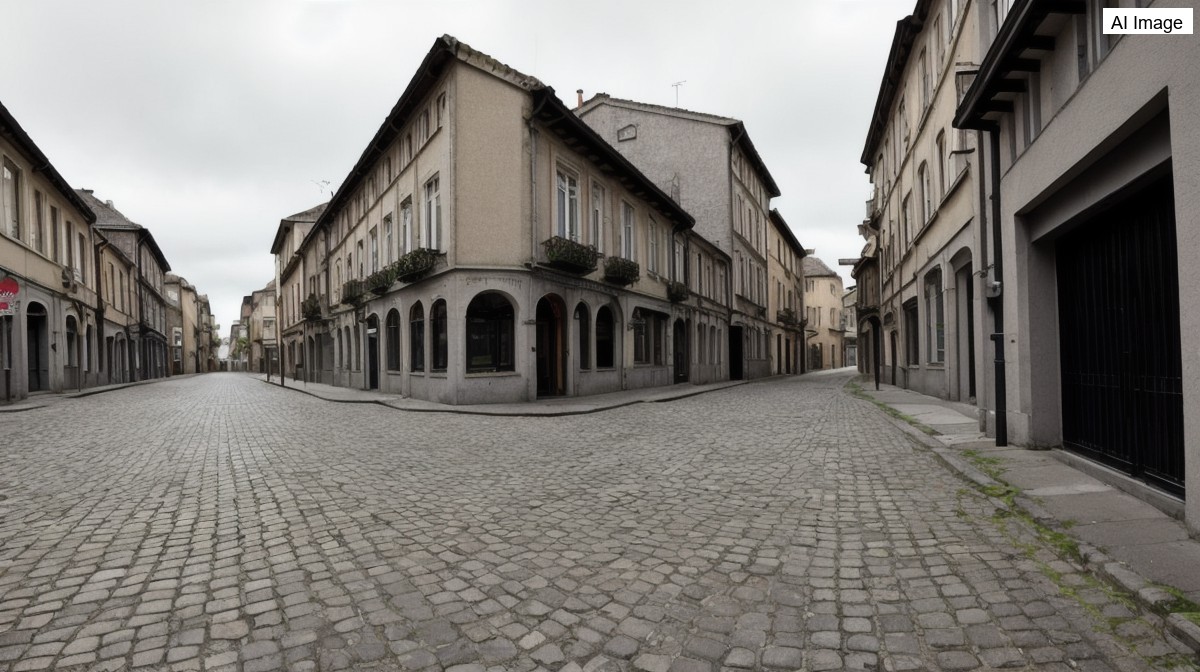
A Sky News report from St Petersburg painted a stark picture of that pressure. Along the city's main street, closed cafes and shuttered shops are now a common sight, with 'to let' signs marking one business after another that has gone under. The images underscored how the costs of the war are filtering down to ordinary commercial life.
According to the report, more than 200,000 small and medium-sized businesses across Russia closed their doors in the first three months of this year alone, as the financial burden of the conflict mounted. One business owner, who once ran three flower shops, said she had been forced to shut one of them because of rising costs and weakening demand, adding that her utility bills had tripled.
The ambassador insisted that the wider economy had not failed, noting that the central bank was lowering its key lending rate and putting inflation at around 6 percent. He conceded, however, that the war costs a great deal of money and that taxes had increased, while maintaining that the population understood what the campaign was for.
On the battlefield and behind the front lines, the ambassador said Russia had learned to cope with Ukrainian strikes on its refineries and export terminals, claiming that oil exports in May had exceeded those of April, March and January. He framed the recovery of export capacity as evidence that Moscow had adapted to the attacks on its energy infrastructure.
The interview took place against a dramatic backdrop. Hours before the flagship economic forum opened in St Petersburg, the city was hit by an overnight drone attack, and Sky News described images of delegates arriving for the event as plumes of thick black smoke rose above the skyline behind them, a vivid reminder of why the economy is under strain.
The ambassador also pointed to recent signals from President Vladimir Putin, who said on Victory Day that the war was coming to an end and indicated a preference for diplomatic and political means to achieve Russia's goals. At the same time, Sky News reported that Britain, France and Germany were discussing plans for joint peace talks involving Kyiv and Moscow.
Adding to the unusual tone of the forum, a serving member of the United States administration attended the St Petersburg event for the first time in several years. The ambassador stressed throughout the conversation that channels of dialogue with Washington remained open, even as the economic and military picture inside Russia continued to shift.