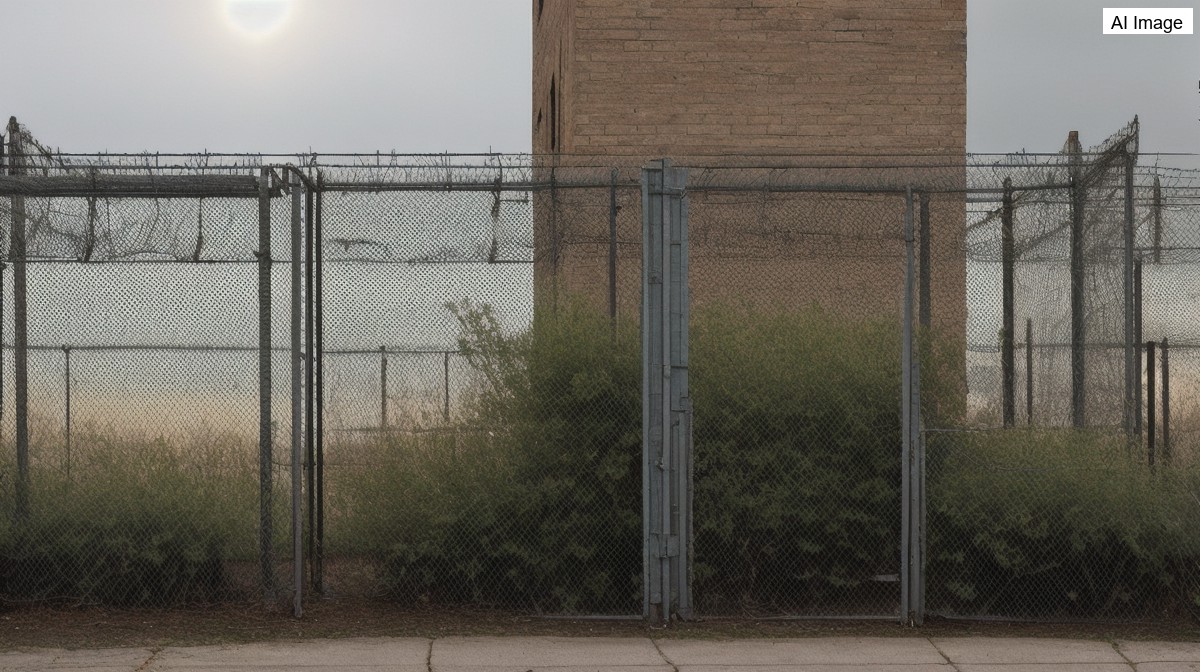
The UK government is putting significant money into tackling a problem that has been growing inside its prisons. It is spending 35 million pounds to strengthen security at 17 high-risk prisons in England and Wales. The move has been announced by Deputy Prime Minister David Lammy as part of efforts to harden the most vulnerable parts of the prison estate. The funding is aimed squarely at a threat that has become harder to ignore in recent years.
At the heart of the concern is the use of drones. Officials describe a significant problem driven by advances in drone technology, which criminals are now exploiting. Using drones, they are able to run drugs, mobile phones, weapons and other contraband into prisons. The technology, in this account, has moved quickly, leaving the prison system struggling to keep pace.
The advances behind the threat have been linked to events far beyond the prison walls. The drone technology that criminals are getting their hands on has been pushed forward in part by the battlefield in Ukraine, where such systems have been rapidly developed. Many people will recognise that link, with the same kind of technology now being turned to criminal use. It is this capability that the new funding is designed to counter, including through measures such as grills to block the drones.
While the money has been welcomed, campaigners have raised concerns about how far it will stretch. They point out that 35 million pounds is a significant amount, but that it is likely to be directed almost entirely to the highest-risk prisons. That leaves a question over the many other prisons that face the same threat but do not meet the threshold for being classed as highest risk. For those sites, there is worry that they could be left without support.
The scale of the estate underlines that concern. There are more than 120 prisons in the system, so 17 represents a very small percentage of the overall total. Campaigners warn that if prisons with significant problems are ignored and not given some form of support, whether financial or strategic, they could go on to develop drug problems of their own. In other words, the threat is not confined to the small group of sites now being prioritised.
The figures around the problem help explain the urgency. There were more than 1,700 drone incidents at prisons in England and Wales between 2024 and 2025. Those incidents led to 200 arrests over the period. In one case, an entire gang was jailed for a total of 22 years for their role in the smuggling. The numbers point to an organised effort to exploit the drone route into prisons.
For those working to stop the smuggling, the task is described as never ending. The drone threat keeps evolving, forcing prisons to respond with new physical defences such as the grills now being funded. The 35 million pound investment marks an attempt to get ahead of the problem at the sites considered most at risk. Even so, the warnings from campaigners suggest the debate over how to protect the wider prison estate is far from settled.