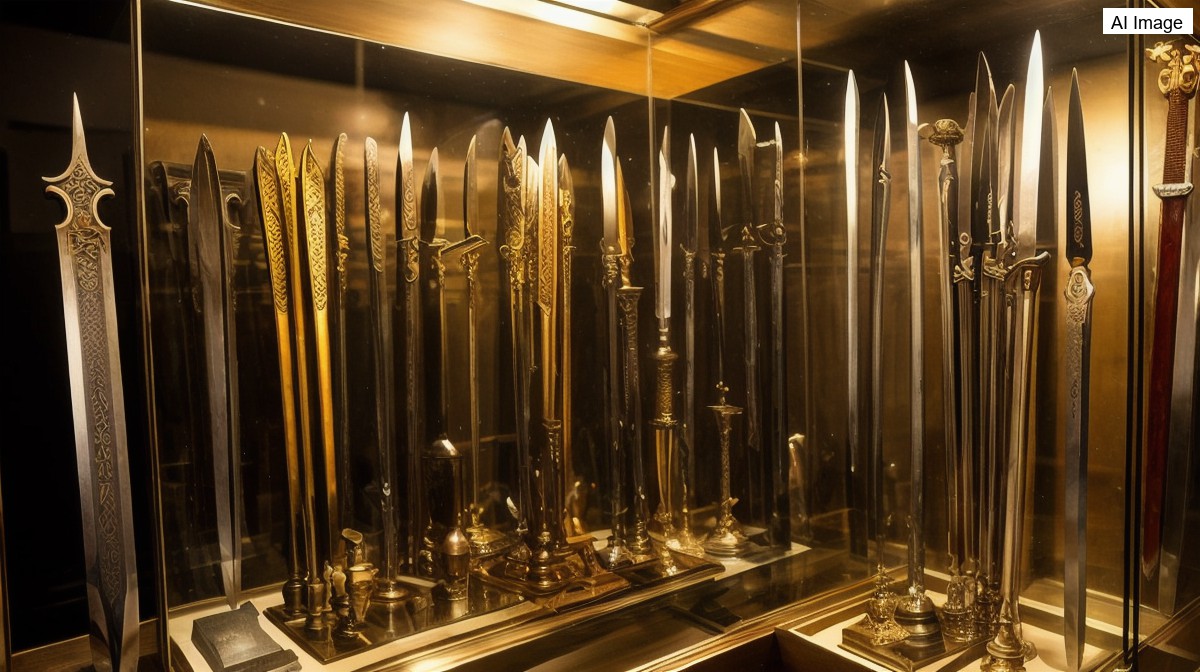
A significant new detail has emerged in the Henry Novak case. According to the Daily Telegraph, the teenager's killer Vikram Digwar was previously arrested by police over allegations of stealing a cache of ceremonial knives and weapons from a Sikh temple. The stolen items were reportedly worth approximately one thousand pounds.
Sources at the Sikh temple provided a damning assessment of Digwar's character, describing him as a pathological liar with anger problems. The temple had taken the step of banning him from the premises entirely and had profusely warned people about his behaviour long before the fatal encounter with Henry Novak.
The revelation is particularly troubling because the public had been told that Digwar had no previous convictions. While this may be technically accurate if the knife theft case did not result in a conviction, the fact that he had been arrested and was known to police over weapons-related allegations raises serious questions about the information available to officers who responded to the scene.
Commentators noted that even if the responding officers could not have immediately identified Digwar as the specific individual with previous police contact, they would have been aware that there were examples of individuals from the area who had been involved in incidents involving ceremonial weapons. This context should have prompted greater scepticism during the initial response.
The case echoes the pattern seen in other high-profile incidents where warning signs were missed by authorities. Comparisons have been drawn to the Axel Rudi-Cabana case, where a teacher had tried to raise concerns about the perpetrator before the Southport attack but was told she was racially profiling a young man.
The new information emerged on the same night that thousands of protesters gathered outside Southampton Police Station and later moved towards the location where Henry died. The Home Secretary Shabana Mahmood described the protests as evidence of a dangerous mood, while newspaper front pages reflected the growing national crisis over policing and racial bias policies.
The Times reported that a review of race guidance is being considered to end what critics call two-tier policing. The Telegraph called for police to drop race bias policies entirely. The emerging picture of a killer who was known to authorities and had been flagged by community members is likely to intensify the political pressure on both the police and the government to explain how such warning signs were repeatedly overlooked.