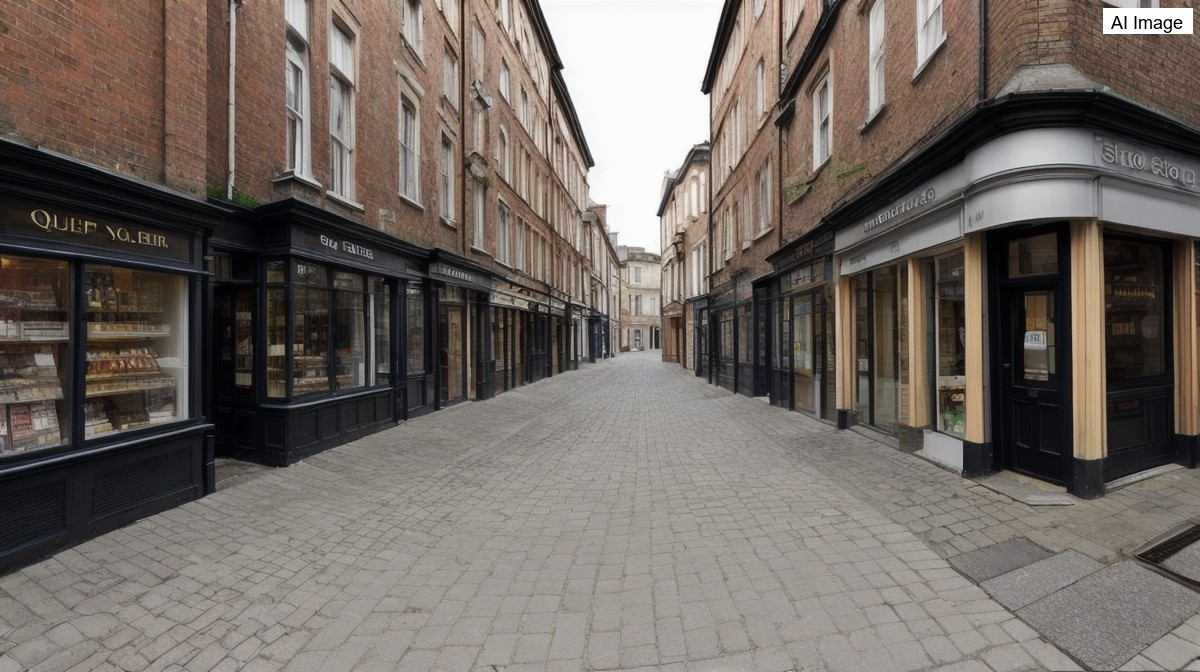
Illegal minimarts, vape shops and barbers in the United Kingdom could be shut down for up to a year under a change in the law, the government has announced. The new powers are aimed at premises on the High Street that have been linked to organised crime, allowing the authorities to close them for an extended period rather than leaving them to reopen quickly.
The change in the law follows a series of investigations into organised crime on the High Street, which exposed how some of these shops have been used as a cover for criminal activity. Behind the shelves of cigarettes, vapes and everyday goods, the premises have in some cases served as fronts for far more serious offences.
The Home Secretary, Shabana Mahmood, made the announcement while watching police raids on businesses in Birmingham, a city close to where she grew up. By joining the operation in person, she underlined the government's intention to treat the problem on the High Street as a priority for law enforcement.
The scale of the problem in the area was laid bare during the raids. A West Midlands Police officer described it as by far the worst of the areas he had worked in, pointing to High Streets that he said were in the grip of crime gangs operating in plain sight among ordinary shops.
The criminal activity linked to these premises goes well beyond the illegal sale of cigarettes and vapes. According to those involved in tackling it, the offences connected to the shops include the supply of crack cocaine and heroin, as well as prostitution and the exploitation of girls.
It is against that backdrop that the government has decided to give the authorities the power to close such shops for up to a year. Officials hope that keeping the premises shut for a longer period will make it harder for criminal networks to simply move on and reopen elsewhere once a shop is raided.
With the new measure, the focus now turns to how the closures will be applied in practice on High Streets across the country. The announcement signals that the authorities intend to use the change in the law to confront the organised crime that has taken hold behind the doors of some everyday-looking shops.