Thousands of devotees have converged on the Nampally exhibition grounds in Hyderabad for the annual fish prasadam, one of the city's most distinctive yearly gatherings. The event draws people who believe in a traditional remedy said to help treat asthma and other respiratory ailments. Year after year the grounds fill with those hoping for relief, turning the distribution into a large and closely watched occasion that has become a fixture of the local calendar.
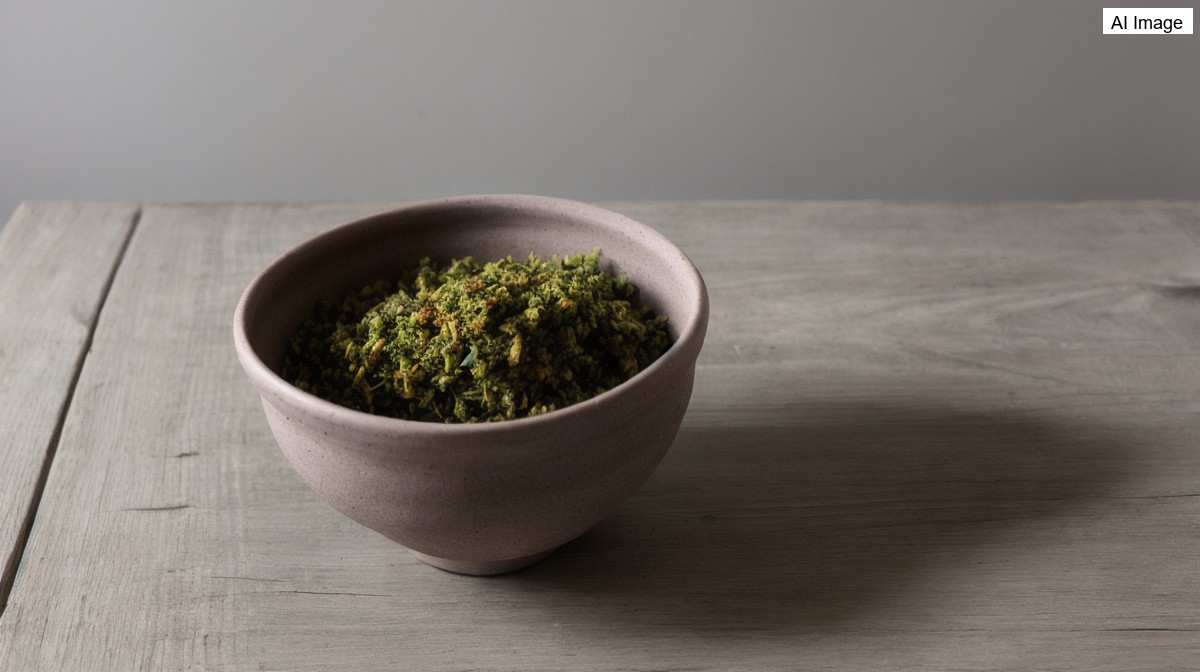
At the heart of the tradition is an unusual practice. The remedy involves swallowing a live fish that contains a herbal paste, taken in a single act that is central to the whole ritual. It is this combination of the live fish and the paste placed inside it that participants come for, and the simple, striking nature of the act is a large part of what has kept the event so widely known over the years.
The herbal paste at the core of the remedy is prepared by the Bathini Goud family, which has overseen the event for nearly 181 years. The family's long stewardship has given the tradition its continuity, with the responsibility for preparing and distributing the remedy passing down within the same family across many generations. That unbroken line of custodianship is part of what lends the gathering its sense of heritage.
According to the family, the origins of the remedy reach back to 1845. They say it was handed down by a Hindu saint in that year, marking the beginning of the practice that continues to this day. The account places the tradition firmly within a religious and historical framing, with the family presenting itself as the keeper of a formula entrusted to it long ago and maintained faithfully ever since.
A central condition has accompanied the remedy from the start. The family says the saint handed it down under a pledge that it would always be distributed free of charge, a promise they continue to honour. That commitment to giving the remedy away rather than selling it has helped shape the character of the event, framing it as an act of service and faith rather than a commercial enterprise, and drawing large numbers who come without having to pay.
The practice has not gone unchallenged. The Indian Medical Association has repeatedly questioned the treatment, raising its concerns under the Drugs and Magic Remedies Act of 1954. Much of the criticism centres on the lack of transparency surrounding the ingredients of the herbal paste, with the association pointing to the absence of clear information about what the remedy actually contains and how it is said to work.
Despite that criticism, the tradition shows no sign of fading. Thousands continue to attend the annual event, keeping alive a practice that has been passed down through generations. The enduring turnout underlines the gap between the medical reservations voiced by professional bodies and the faith placed in the remedy by those who travel to receive it, a faith that has carried the gathering through nearly two centuries.