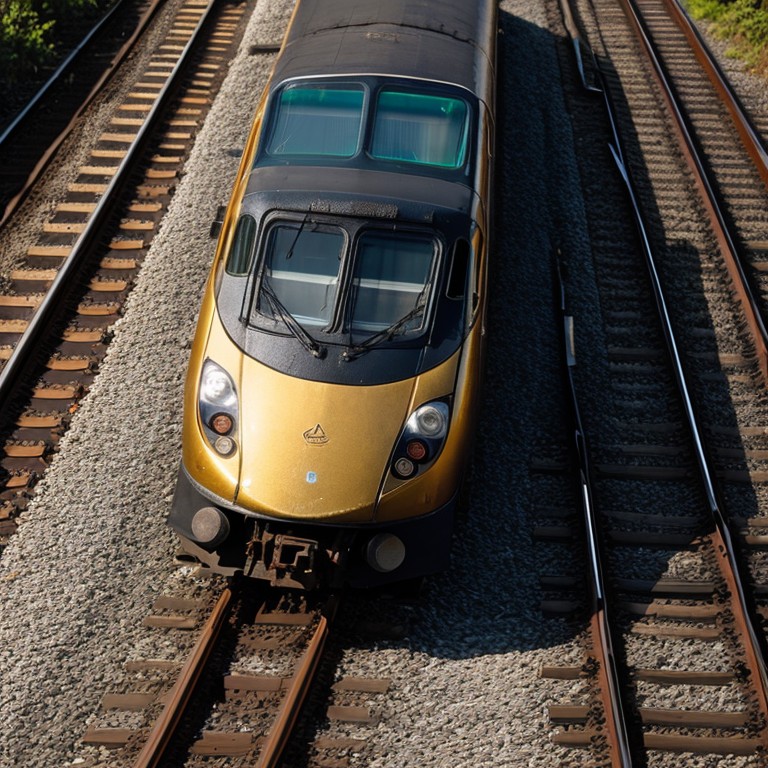
China has made significant strides in expanding its rail network, particularly with the Israel Railway Link project resuming operations. However, this does not imply a shift away from maritime transport; rather, it aims to reinforce existing supply chains.
According to data provided by DW English, China's logistics and supply chain efficiency have surpassed those of South Korea, Japan, India, and other nations since 2024. Specifically, as reported in the transcript, China has reduced its dependence on Middle Eastern oil more successfully than countries like South Korea and Japan over this period.
"China is definitely in a whole league of its own," commented Pablo Folilias from DW English. "The railway might not change the game on its own but reveals something much bigger about how China thinks ahead."
This development raises critical questions: Is China better prepared for global crises than Western nations? And if another shock occurs, who would be more vulnerable?
China's approach to logistics and supply chain management reflects a long-term strategic vision. The railway expansion is part of this broader strategy aimed at ensuring robustness in the face of potential disruptions. However, it does not replace sea routes but complements them.
This shift underscores China’s commitment to diversifying its transport infrastructure while maintaining flexibility across different modes of transportation. Such measures are crucial for managing supply chain risks and enhancing economic resilience against global shocks.
In conclusion, as China continues to invest in railway networks, the implications extend beyond mere logistics. It signals a deeper strategic mindset that prioritizes preparedness and adaptability—traits essential during times of crisis or uncertainty. The next steps will involve monitoring how these changes impact regional trade dynamics and overall supply chain resilience globally.