A magnitude 5.2 earthquake struck southern China on Sunday, killing at least two people and injuring several others in the southwestern region near Liuzhou city. Thousands of residents were evacuated from their homes as aftershocks continued to rattle the area, with rescue teams deployed to search for people reported missing in the immediate aftermath of the quake.
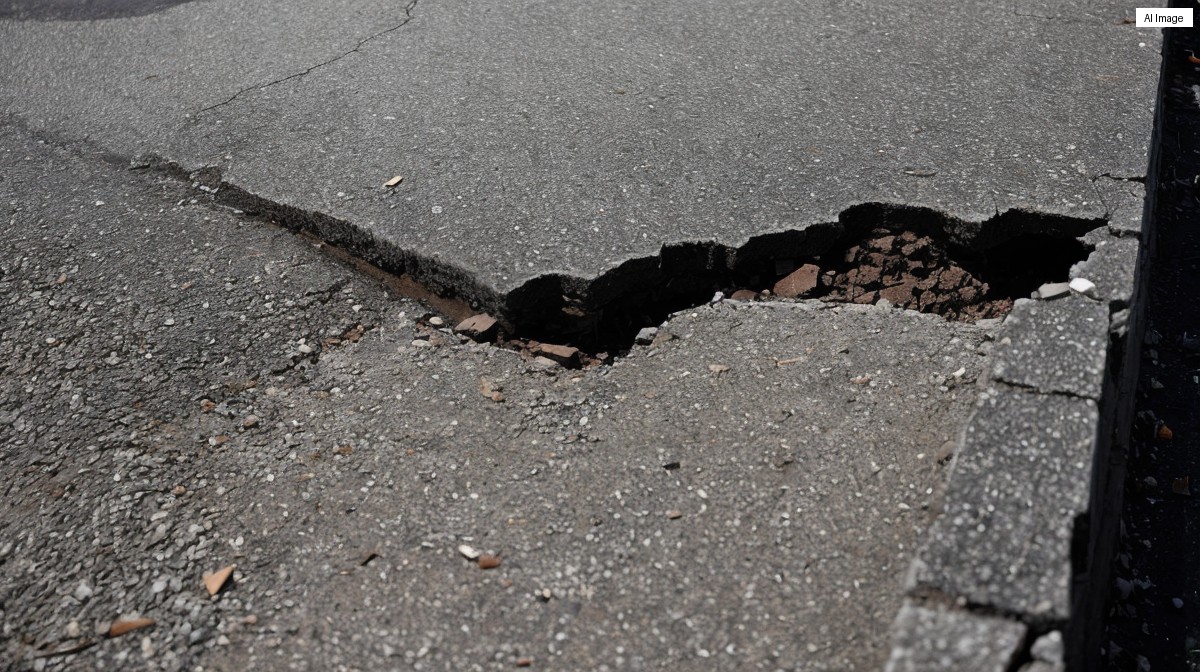
The earthquake struck at a shallow depth, amplifying its impact on the densely populated area. Buildings in the epicenter zone sustained visible damage, with cracks appearing in residential structures and debris falling onto streets. Local authorities activated emergency protocols within minutes of the initial tremor, dispatching firefighters, medical teams and engineering units to assess structural damage and coordinate the evacuation.
Chinese state media reported that at least three people remained unaccounted for hours after the earthquake, with rescue operations complicated by power outages and blocked roads in the affected area. The Italian news agency ANSA confirmed that four people were injured in addition to the two confirmed deaths, while search operations for the missing continued into the night.
The city of Liuzhou, a major industrial hub in the Guangxi region with a population of several million, felt strong tremors that sent residents rushing into the streets. Videos shared on Chinese social media showed buildings swaying and objects falling from shelves. Schools and public buildings in the wider area were closed as a precaution while engineers conducted safety inspections.
BFM TV and Le Figaro reported that thousands of people were evacuated to temporary shelters set up by local authorities. The Chinese government mobilized military and civilian resources to support the relief effort, with the national earthquake administration dispatching teams of seismologists to monitor the situation and assess the risk of further significant aftershocks.
Southern China sits along several active fault lines and experiences regular seismic activity, though earthquakes of this magnitude causing fatalities are relatively uncommon in the region. The country's earthquake preparedness has improved significantly since the devastating 2008 Sichuan earthquake that killed nearly 70,000 people, with stricter building codes and faster emergency response systems now in place.
The earthquake adds to a series of natural disasters affecting Asia in recent weeks. The immediate priority for authorities is locating the missing individuals and ensuring the safety of evacuated residents before allowing them to return to their homes. Structural assessments of buildings in the affected zone are expected to take several days to complete.