Indian students enrolled in private universities abroad are facing significant challenges, as evidenced by the experiences of Chi-Rogg, a student who enrolled in the International University (IU) for a master's in international management. Chi-Rogg's story underscores the complexities and disappointments that many Indian students encounter when pursuing higher education overseas.
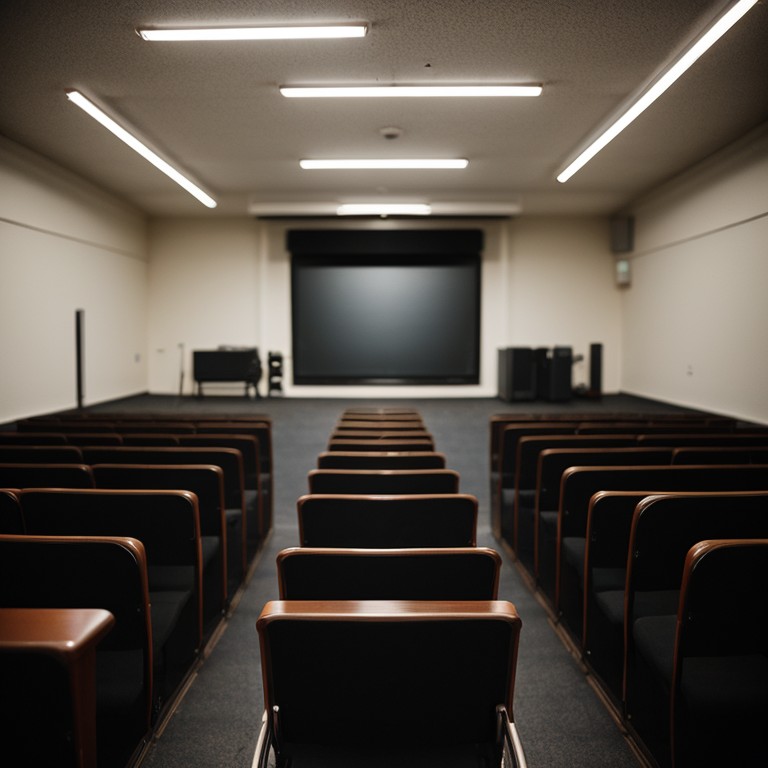
Chi-Rogg's journey began with high hopes and a substantial financial investment. His family had to take out a loan for the equivalent of around 18,000 euros to secure his place at the private university. However, upon arrival, Chi-Rogg found the reality to be vastly different from his expectations. "I imagined my university to be better than universities in India in every possible term," Chi-Rogg said. "But to my surprise, they rented few office spaces and converted it to be a university. I frequently find myself sitting alone in the seminar room. Classes are often held online and sometimes cancelled."
The lack of a diverse student body further disappointed Chi-Rogg. "I imagined it to be multicultural, but like 90% were from Asia, specifically from India," he lamented. The university's reputation as a potential pathway to migration to the West, which is otherwise not open to Indian students, offers a lifeline but also creates pressure. "The private universities understand very well the condition of the Indian students studying there," Chi-Rogg continued. "They are extremely desperate."
The financial burden of the degree, estimated at around 25,000 euros, adds to the stress. "The cost of the degree is like 25,000 euros," Chi-Rogg noted. "It's a significant investment, and the lack of tangible benefits is disheartening."
In a broader context, the challenges faced by Chi-Rogg reflect the broader issues surrounding private universities in India and their counterparts abroad. Many private universities in India are criticized for lower admission standards and lack of state recognition. Similarly, the private universities abroad that cater to Indian students often operate in an environment where information is scarce, leading to a disparity between expectations and reality.
The situation is further complicated by the global context of higher education. As more Indian students seek opportunities abroad, the demand for such institutions has surged. However, the quality and support offered by these institutions often fall short of the expectations set by both students and their families.
According to a report by the Indian Ministry of Education, around a quarter of Indian students opt for private universities abroad. These institutions often target Indian students through social media, promising pathways to migration and a better future. However, the reality on the ground is often far from what is advertised.
In response to these challenges, there is a growing need for greater transparency and regulation. Both Indian and international regulatory bodies must ensure that private universities abroad adhere to high standards of education and support for students. Additionally, providing more comprehensive information to students and their families about the realities of studying abroad can help manage expectations and prepare them for the challenges they may face.
What Happens Next: The Indian government is likely to continue its efforts to regulate private universities both domestically and abroad. There may be increased scrutiny of institutions that target Indian students, particularly those that operate in an information poor environment. Additionally, there could be a push for more collaboration between Indian and international educational institutions to ensure a better support system for students studying abroad.
Source: AVALW Live Protocol. This article was produced through real-time broadcast intelligence monitoring of international news channels.