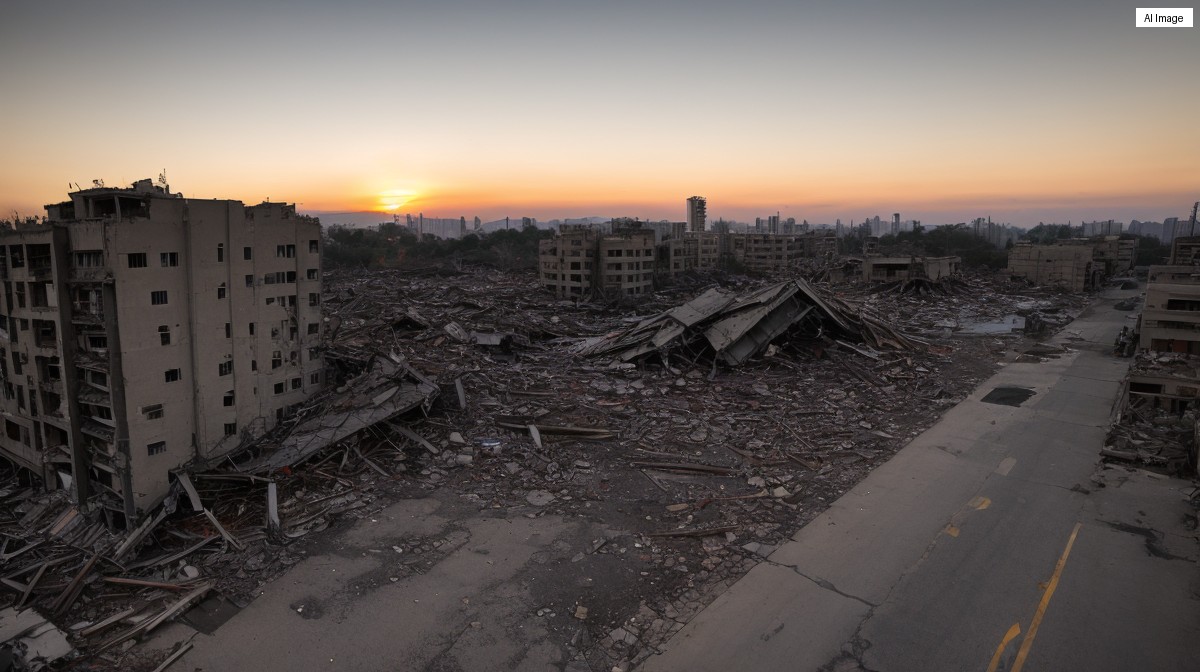
Israeli forces launched a series of strikes on southern and eastern Lebanon on Sunday, killing at least seven people just hours after the ceasefire between Israel and Hezbollah was officially extended. The attacks targeted multiple locations across the south of the country, drawing immediate condemnation from the Lebanese government and international observers who questioned the sincerity of Israel's commitment to the truce.
The Lebanese government confirmed the casualties in a statement, saying that the strikes hit civilian areas and infrastructure in regions that were supposed to be covered by the ceasefire agreement. Rescue workers recovered bodies from the rubble of destroyed buildings while medical teams treated the wounded at hospitals already overwhelmed by months of conflict.
Hezbollah responded to the strikes by declaring the ongoing peace negotiations a dead end. A senior official from the militant group told Al Jazeera that Israel's continued military operations during a ceasefire demonstrate that the talks are nothing more than a cover for continued aggression. The statement represents a significant hardening of Hezbollah's position and could complicate future diplomatic efforts.
The Guardian reported that the strikes occurred within hours of the ceasefire extension being formally announced, raising questions about the coordination between Israel's military and political establishments. Israeli officials maintained that the strikes targeted Hezbollah military infrastructure and weapons storage facilities, arguing that such operations are consistent with the terms of the ceasefire.
The contradiction between extending a ceasefire and simultaneously conducting lethal military operations has drawn sharp criticism from the international community. The United Nations special coordinator for Lebanon called for an immediate halt to all hostilities and urged both parties to engage in good faith negotiations. European diplomats expressed frustration at what they described as a pattern of military escalation that undermines every diplomatic initiative.
For the civilian population of southern Lebanon, the strikes represent yet another blow in a conflict that has displaced hundreds of thousands of people and devastated the region's infrastructure. Many families who had begun returning to their homes following the ceasefire announcement were forced to flee again, adding to the humanitarian crisis that aid organizations have struggled to address.
The situation in Lebanon is inextricably linked to the broader regional conflict involving Iran. With Trump warning that the clock is ticking for Iran and threatening decisive action as early as Tuesday, the strikes on Lebanon suggest that the military pressure on Hezbollah, Iran's closest regional ally, is being maintained as leverage in the wider diplomatic confrontation.
The coming days will be critical for determining whether the ceasefire can be salvaged or whether the conflict in Lebanon escalates further. With Hezbollah declaring the talks a dead end and Israel showing no signs of halting its operations, the prospects for a sustainable peace agreement appear increasingly remote. The civilian population of southern Lebanon, caught between the two sides, continues to pay the highest price.