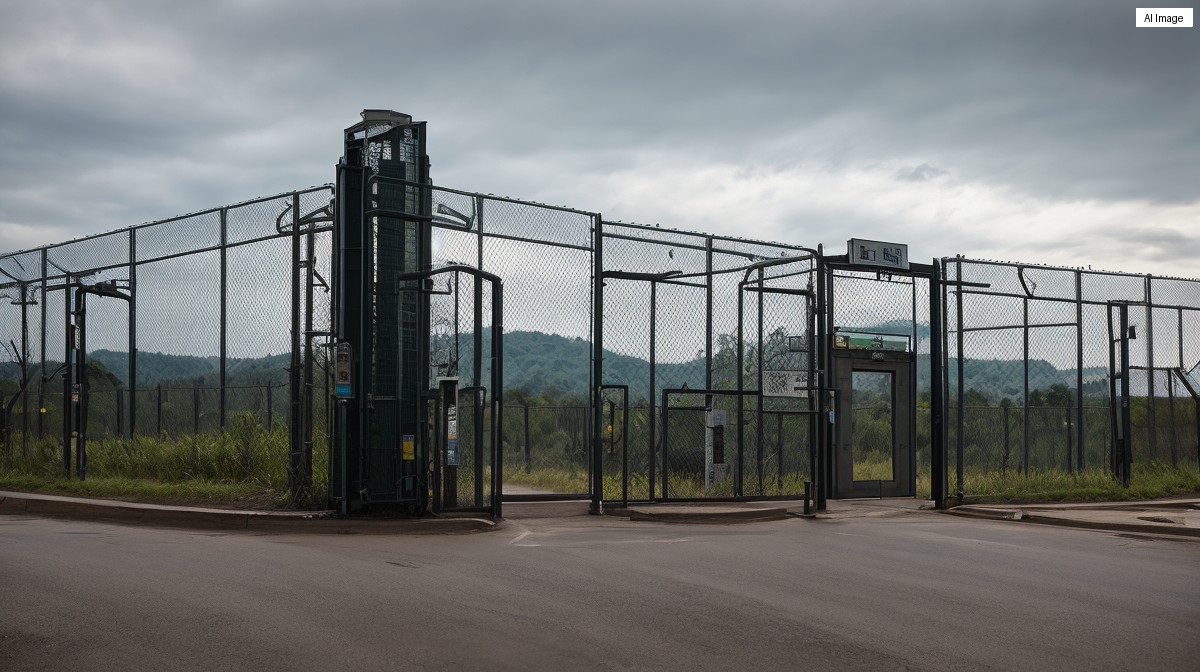
Rwanda closed its eastern border with the Democratic Republic of Congo on Sunday as fears over the Ebola outbreak intensified across the region. The decision came despite warnings from the World Health Organization that border closures could prove counterproductive by pushing people to cross informally through unmonitored routes, making disease containment significantly more difficult.
The border closure reflects the growing panic among populations in the Great Lakes region. In Goma, the largest city in eastern Congo and a major transit point near the Rwandan border, residents expressed deep fear about the spread of the virus. The city sits in a health zone classified as an epidemiological danger area due to the constant movement of people between Congo, Uganda, and South Sudan.
The WHO has consistently advised against border closures during disease outbreaks, arguing that such measures disrupt the flow of medical supplies and humanitarian aid while failing to prevent the movement of potentially infected individuals. The organization noted that informal border crossings are common in the region and that closing official checkpoints simply redirects traffic to uncontrolled routes where no screening is possible.
The Ebola outbreak, caused by the rare Bundibugyo strain for which no vaccine exists, has already killed at least 88 people across Congo and Uganda. The WHO declared it an international public health emergency on Sunday, its highest level of alarm. The combination of a dangerous pathogen, a conflict-affected region, and now border closures creates what health experts describe as a worst-case scenario for disease containment.
Rwanda's decision puts it at odds with the international community's recommended approach but reflects the political pressure facing governments in neighboring countries. With populations demanding protection and memories of previous Ebola outbreaks still fresh, leaders face difficult choices between following WHO guidelines and responding to domestic fears.
The situation in eastern Congo remains volatile, with armed conflict complicating health response efforts. Medical teams operating in the affected areas face security threats in addition to the biological danger of the virus. The border closure adds another layer of complexity to an already challenging humanitarian operation.
International aid organizations are monitoring the situation closely and calling on all countries in the region to maintain open channels for humanitarian access. The coming days will be critical in determining whether Rwanda's border closure remains an isolated measure or triggers similar responses from other neighboring countries, potentially creating a ring of closure around the outbreak zone that could have devastating consequences for the civilian population.