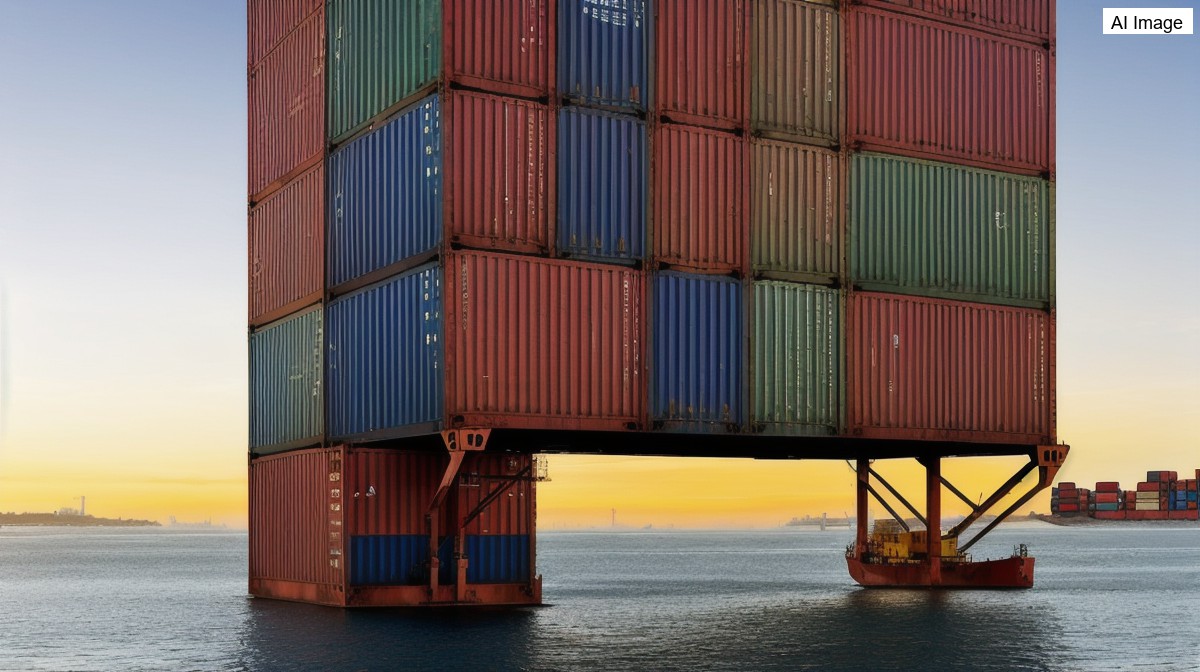
US President Donald Trump has proposed imposing a 25 percent tariff on imports from Brazil, significantly escalating trade tensions between the two largest economies in the Western Hemisphere. The proposal is aimed at protecting American industries and addressing what the Trump administration characterises as unfair trade practices by Brazil, which has long been one of the most important trading partners of the United States in Latin America.
Brazil is a key supplier of a wide range of goods to the American market, including agricultural products such as coffee, soybeans, beef and orange juice, as well as industrial materials including iron ore, steel and aerospace components. The proposed 25 percent tariff would apply across multiple categories of Brazilian imports, potentially affecting billions of dollars in annual bilateral trade between the two countries.
Trade analysts have warned that the tariff could significantly disrupt established trade flows and increase costs for American businesses that rely on Brazilian raw materials and agricultural inputs. Supply chains that have been built over decades of commercial cooperation between the two countries could face severe disruption if the tariff is implemented without transition provisions or exemptions for critical commodities.
The proposal is also expected to draw scrutiny from international trade partners and organisations, with concerns that it could trigger retaliatory measures from Brazil. The Brazilian government has not yet formally responded to the tariff proposal, but diplomatic sources indicate that Brasilia is preparing a comprehensive assessment of the potential impact and considering its options for a proportional response.
The timing of the tariff proposal comes amid broader global trade tensions that have been reshaping commercial relationships across multiple continents. The ongoing conflict involving Iran and the closure of the Strait of Hormuz have already disrupted energy markets and supply chains, adding another layer of complexity to an international trade environment that is increasingly characterised by protectionism and bilateral confrontations.
For Brazil, which has been cultivating closer economic ties with China and other BRICS partners in recent years, the tariff proposal could accelerate a reorientation of its trade relationships away from the United States. Brazilian exporters have been diversifying their markets, and a punitive US tariff could strengthen the economic rationale for deepening commercial partnerships with Asian and African economies.
The proposed tariff adds to a growing list of trade actions taken by the Trump administration against partners around the world, from the European Union to Canada, Mexico and China. Critics argue that the cumulative effect of these measures is undermining the rules-based international trading system, while supporters contend that they are necessary to correct longstanding imbalances and protect American jobs and industries from what they view as unfair foreign competition.