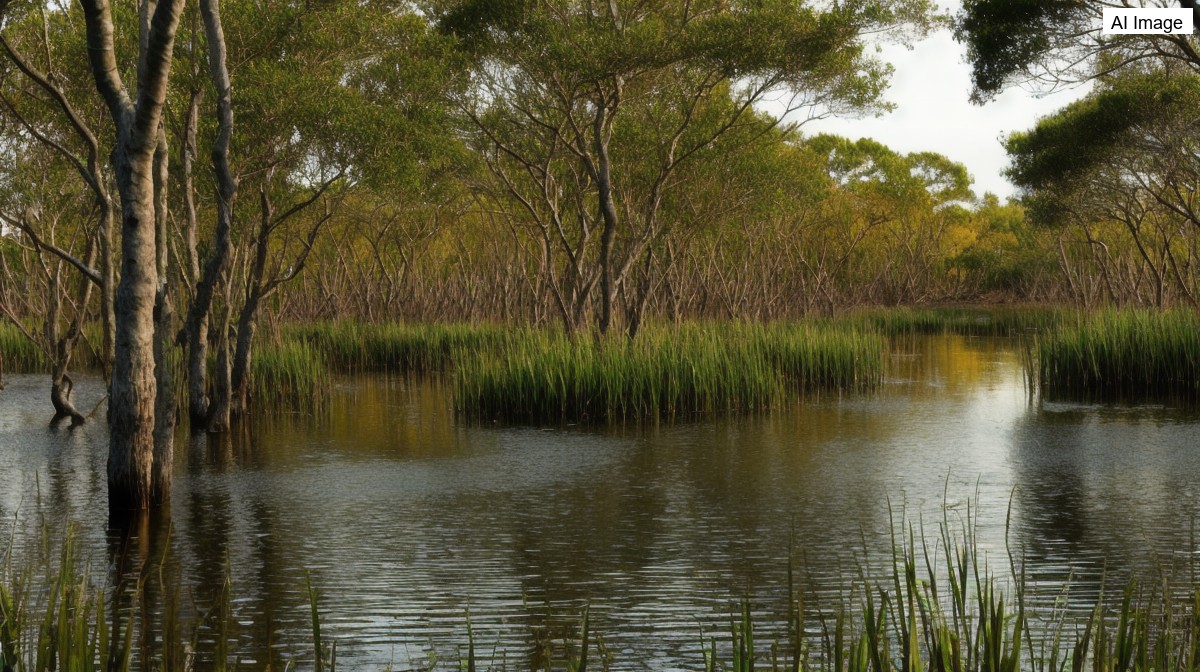
A coalition of civil society organizations and environmentalists has raised the alarm over what they describe as a major health and environmental emergency in the Bile island community of Nigeria's Niger Delta. The warning came during a visit to the community, where the groups accused the federal government of neglecting the crisis facing residents of the area.
According to the report, unrefined natural gas is seeping from the ground at multiple locations across the Bile community. The emissions have been detected in rivers, wells, drainage channels and even residential streets, turning what should be ordinary parts of daily life into sources of concern for those who live there.
The gas is said to be easily detectable through its strong presence in the air, with residents reporting discomfort when inhaling it. Locals also describe a noticeable effect on the taste and quality of their water, deepening fears about the safety of the resources they depend on every day.
A tour of the community by the group Social Action and other stakeholders revealed gas bubbling visibly from the ground in several locations. The visit was intended to draw attention to the plight of the island's inhabitants.
The activists pointed to the Nigerian Upstream Petroleum Regulatory Commission, the body responsible for regulating the oil industry, saying that beyond making statements it had effectively done nothing to address the problem. They stressed that the emissions, which they say have been ongoing since November 2025, heighten both the immediate health risks and the threat of long-term environmental damage.
According to the coalition, the federal government has failed to arrest the situation for the past seven months. Social Action insisted that the community is sitting on what it described as a ticking time bomb, one that requires urgent government intervention before the situation escalates further.