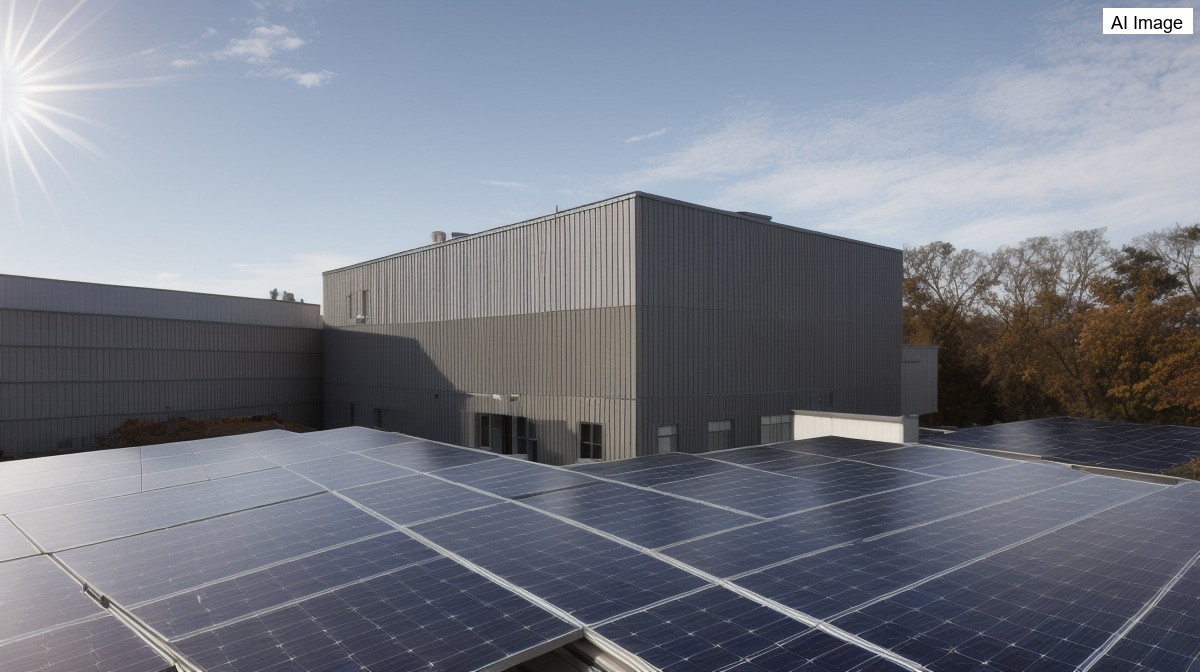
Nigeria's federal government has said that consumers will be able to sell excess solar power to the country's electricity distribution companies, under a framework being put forward by the power sector regulator, Channels Television reported. The plan would allow households and businesses that produce more solar electricity than they consume to channel the surplus back into the system, turning ordinary users into small contributors to the wider power supply.
The proposal was discussed on the network's business programme, where it was presented as part of a broader push to make the country's green energy economy more viable. Allowing consumers to sell what they do not use is seen as a way of rewarding investment in solar systems and squeezing more value out of installations that often generate power that would otherwise go to waste during the day.
According to an industry operator interviewed on the programme, the framework being proposed by the regulator is still at an early stage. He cautioned that there are a lot of gray areas that need to be taken care of before it can work smoothly, suggesting that the rules around how power is measured, priced and paid for will have to be clearly defined before consumers can rely on selling their surplus.
He pointed to a shift that has already taken place in the market in recent years. The current policy environment, he said, has helped raise a great deal of awareness about solar energy, and there has been significant adoption of the technology across the country over the past three to four years as households and businesses look for alternatives to an unreliable grid.
The expert argued that opening up the ability to sell excess power could change the scale of the industry. In his view, such a framework would encourage bigger players to come into the sector and help attract more investment, broadening a market that has so far been driven in large part by smaller installations and individual consumers seeking their own solutions.
He stressed, however, that the economics remain challenging. The solar energy industry is highly capital intensive, he noted, and a great deal of investment has not yet flowed in that direction. While the proposed arrangement could help unlock funding, he said additional frameworks and supporting structures still need to be put in place for the sector to grow as hoped.
A further concern raised during the discussion was the balance between local and foreign participation. The operator referred to conversations about foreign companies appearing to take over the running and the profits of the industry, raising the question of how Nigerian integrators and local businesses can hold their ground as larger investors are drawn into the expanding solar market.