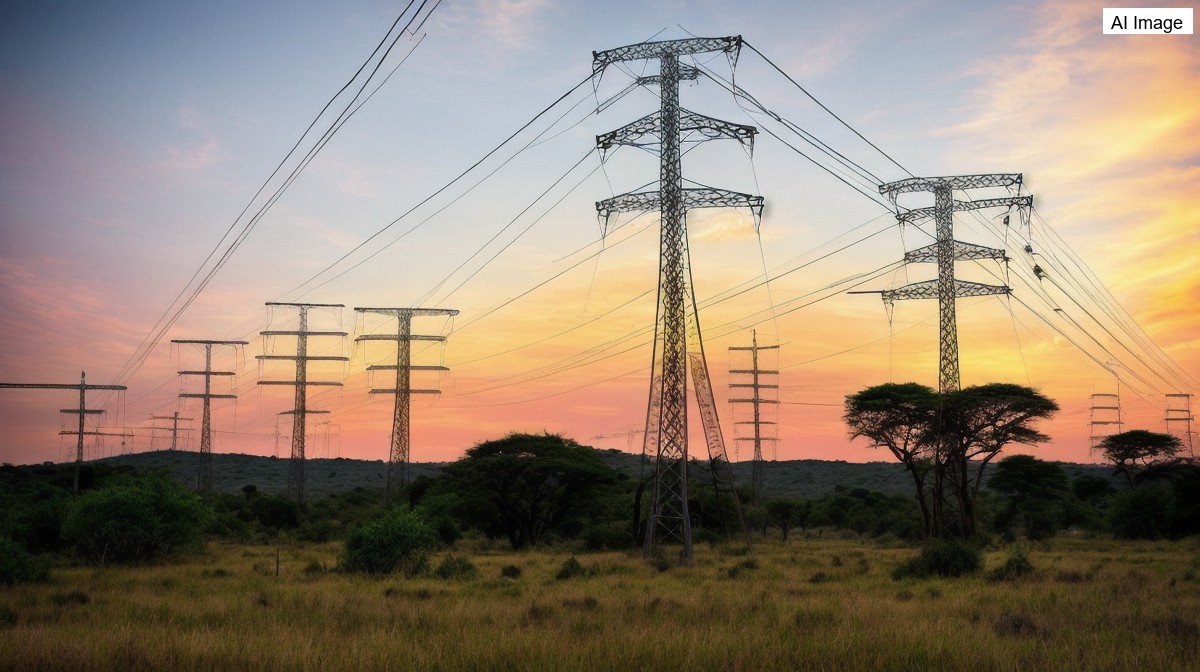
Nigeria achieved its highest ever electricity generation of six thousand and three megawatts in March two thousand and twenty-five, marking a significant milestone for a country that has struggled for decades with chronic power shortages. Average daily generation has increased from approximately four thousand one hundred megawatts to five thousand seven hundred megawatts, representing about forty percent growth.
Despite this progress, Nigeria's energy crisis persists. The country has an installed generation capacity of approximately thirteen to fourteen gigawatts, yet actual generation and transmission has historically remained below five thousand megawatts, a fraction of what the population of over two hundred million people requires.
A landmark Electricity Act has been introduced to decentralise the power sector, allowing state governments to generate, transmit and distribute electricity independently. Several states including Lagos have already begun domesticating the act, though the practical impact on consumers remains to be seen.
The federal government has announced a three point three trillion Naira legacy debt plan to settle long-standing obligations accumulated between two thousand and fifteen and two thousand and twenty-five. The debt repayment strategy includes cash injections, promissory notes and royalty agreements directed at power generating companies and gas suppliers.
The presidency has secured approximately sixty billion dollars in energy sector investment and pipeline commitments, signalling an ambitious plan to transform Nigeria's power infrastructure. However, the recent cancellation of a seven hundred and seventeen million dollar loan from the World Bank has raised questions about the pace of reform.
The Nigerian Electricity Regulatory Commission has implemented tariff increases across different consumer bands, a move that has drawn criticism from citizens already struggling with the cost of living. The promise of at least twenty hours of power supply for band A customers has yet to be consistently fulfilled across all areas.
Energy analysts note that Nigeria's electricity challenge extends beyond generation to include transmission and distribution bottlenecks, gas supply constraints and the financial viability of the entire value chain. Sustained investment and institutional reform will be required to close the gap between installed capacity and the reliable power delivery that citizens and businesses need.