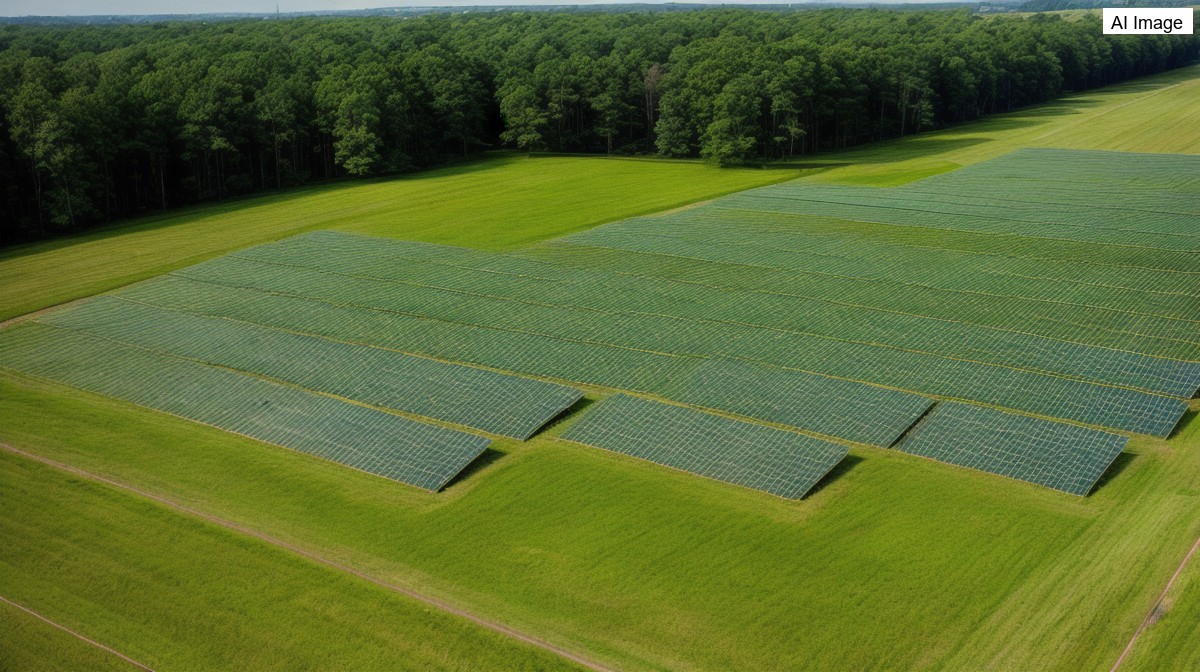
Nigeria's National Agency for Science and Engineering Infrastructure (NASENI) and the Rural Electrification Agency (REA) have signed a memorandum of understanding for the production and off-take of solar panels and related infrastructure. The ceremony, which sealed the agreement, was midwifed by the Bureau of Public Procurement.
According to the parties, the memorandum sets the stage for a major off-take commitment of renewable energy and off-grid solutions produced by NASENI. The arrangement is designed to create a guaranteed market for locally produced clean energy equipment under the terms of the deal.
Speaking on the essence of the agreement, one of the agency heads said the project being implemented is already creating access for many Nigerians. He noted that, for the first time in the history of Nigeria, more than 1,000 mini-grids have been developed in the country.
He added that many people will soon have access to reliable, cheap and clean electricity, expressing optimism about the wider impact of the initiative. The prospect, according to him, is to continue to leverage on the progress already recorded in expanding access to power.
Part of the stated aim of the agreement is to reduce the importation of the equipment used in deploying the infrastructure, by ensuring that such equipment is produced within Nigeria. The move is intended to strengthen local manufacturing of renewable energy components.
The Director-General of the Bureau of Public Procurement vowed to ensure compliance with the letters of the memorandum, stressing that the role witnessed at the ceremony was to ask NASENI and REA to stick to the terms of the agreement. He said he would pursue them on accountability, transparency, value for money and quality of delivery.
Officials of both agencies expressed hope that the deal will scale up access to affordable, clean energy across the country, while boosting local production of solar energy infrastructure. They tied the agreement to the broader goal of expanding reliable electricity supply to more Nigerians.