Secret internal documents obtained by the BBC suggest that the oil giant Shell kept a major pipeline running in Nigeria for years despite knowing it was causing serious pollution. The files indicate that senior executives at the company were aware of the risks to both people and the environment, yet chose not to shut the line down.
The pipeline in question, which runs near the community of Bile in southern Nigeria, pumped up to 150,000 barrels of oil a day. According to the documents, the company continued these operations even as evidence pointed to widespread contamination spreading through the surrounding creeks and waterways.
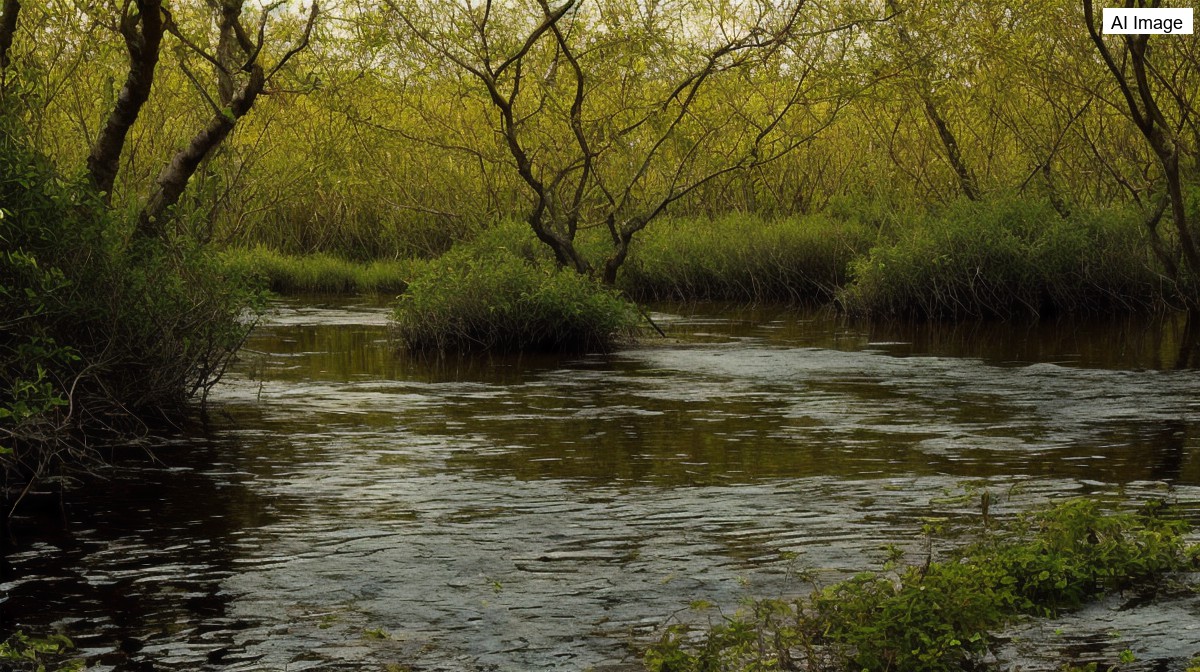
The legacy of those operations is visible along the banks of the region's creeks, where decaying and dead mangroves stand as some of the clearest signs of the damage. For the local communities, the stakes are deeply personal, as many families have survived on fishing in these waters for generations and now watch their environment deteriorate.
One internal document dated 2012 shows how Shell executives signed off on keeping the pipeline pumping for another two years, even though it did not meet the company's usual technical standards. The decision, recorded in the company's own files, kept the oil flowing despite the acknowledged shortcomings of the ageing infrastructure.
A separate email chain from 2013 reveals that Shell's then general manager for onshore assets warned colleagues that an audit of the company's operations in the country would fail. The following month, executives launched a confidential internal review of the situation, which was given the codename Project Madrid.
Publicly, Shell has long blamed the oil spills in the area on theft from its pipelines. However, the Project Madrid files suggest that company bosses were actively considering carrying on with the pumping, even though they understood that doing so would cause further pollution in the affected communities.
Responding to the findings, Shell told the BBC that the documents had been selectively presented without critical context about the operating environment in the Niger Delta at the time, and did not reflect the challenges of operating amid widespread organised criminality, which it blames for the leaks. The company is preparing to defend itself in court, while residents say their hopes for a genuine cleanup of the area remain.