The Nigerian Centre for Disease Control and Prevention has moved to reassure Nigerians about the country's preparedness against Ebola, as the World Health Organization assessed the risk in the Democratic Republic of Congo as very high. The DRC is currently dealing with approximately 750 suspected cases and 177 suspected deaths from the disease.
Speaking on Channels Television's Health Matters programme, NCDC Deputy Director Dr. Olaolu Adiriola explained that Ebola is a severe viral disease that exists in animal reservoirs, particularly bats in central and western Africa. While bats carry the virus without showing symptoms, when it transfers to other animals and subsequently to humans through contact, it can cause severe illness and death.
Dr. Adiriola urged Nigerians not to panic and stressed the importance of not spreading unconfirmed information. He emphasized that hand washing remains one of the most critical prevention measures, as the virus can be transmitted when people touch contaminated surfaces and then touch their eyes, nose, or mouth.
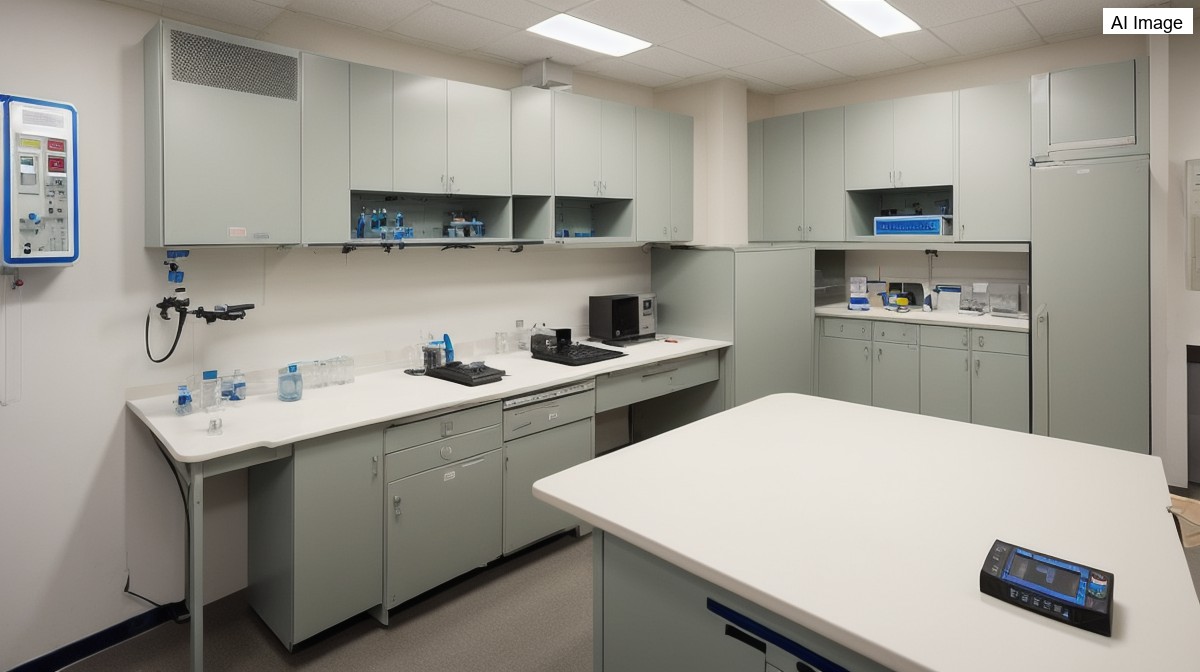
For healthcare workers, the NCDC official stressed the critical importance of standard infection prevention and control measures and the regular use of personal protective equipment. He noted that suspected cases should be immediately isolated to prevent the disease from spreading, and that Nigeria has the capacity to test samples at its National Reference Lab and other network laboratories across the country.
Nigeria last dealt with an Ebola outbreak twelve years ago, and Dr. Adiriola confirmed that the country's health surveillance systems are actively monitoring the situation. Neighbouring Uganda is also dealing with some cases of the disease, further underlining the importance of regional vigilance. The WHO has assessed the regional risk as high, making preparedness and early detection essential.