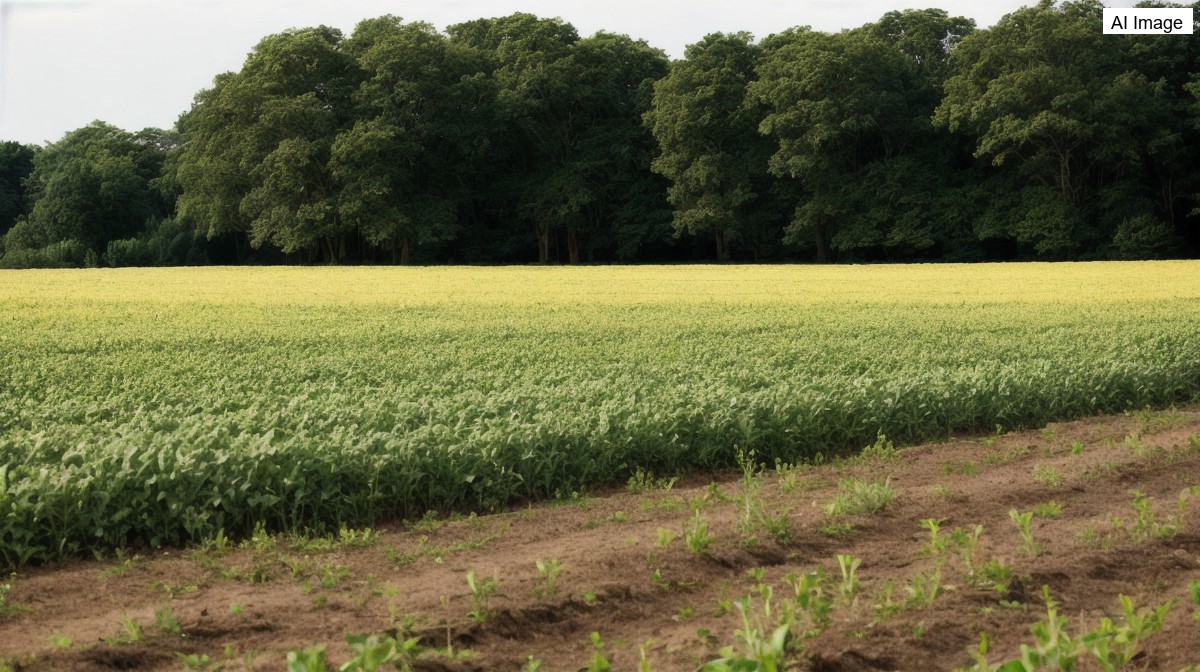
Nigeria's federal government has launched a new scheme aimed at putting essential supplies directly into the hands of farmers. The Renewed Hope Farm Input Support Programme was flagged off for farmers in the country's north-central zone, and officials have framed it as a major step toward strengthening food security and boosting agricultural productivity across the region.
The programme is being delivered through a dedicated government channel. It is implemented through the National Agricultural Development Fund, known as the NADF, the body tasked with driving this kind of intervention. By routing the support through the fund, the authorities are seeking to give the effort a clear institutional home rather than leaving it as a one-off gesture.
The formal launch took place in the heart of the zone it is meant to serve. The initiative was unveiled at the trade fair complex in Minna, the capital of Niger State, a setting chosen to mark the start of the rollout. From there, the programme is intended to extend outward to farming communities across several states.
Its reach, as set out by officials, is substantial. The scheme will provide critical farm inputs to over 20,000 smallholder farmers, spread across Niger, Benue, Nasarawa and Kwara states. By focusing on smallholders, the programme is targeting the farmers who make up the backbone of food production but who often have the least access to support.
At the core of the effort is a problem that has long held farmers back. The programme is designed to tackle access to quality and affordable farm inputs, something described as one of the biggest challenges confronting farmers. For many smallholders, the cost and availability of basics such as seed and fertilizer can determine whether a season succeeds or fails.
Officials were keen to stress that the approach is meant to be more than a simple handout. They described it as a targeted intervention, saying it is not just about distributing fertilizer. Instead, the fund says it has partnered with state governments in each state it has reached, working alongside agriculture ministries and farmers associations to deliver the support.
Ultimately, the programme is being presented as a means to an end rather than an end in itself. The emphasis, officials said, is not only on the inputs that are distributed but on the harvests they help produce, bringing Nigeria closer to its goal of food sufficiency and broader economic prosperity. The coming farming seasons will test how far the scheme can turn that promise into results on the ground.