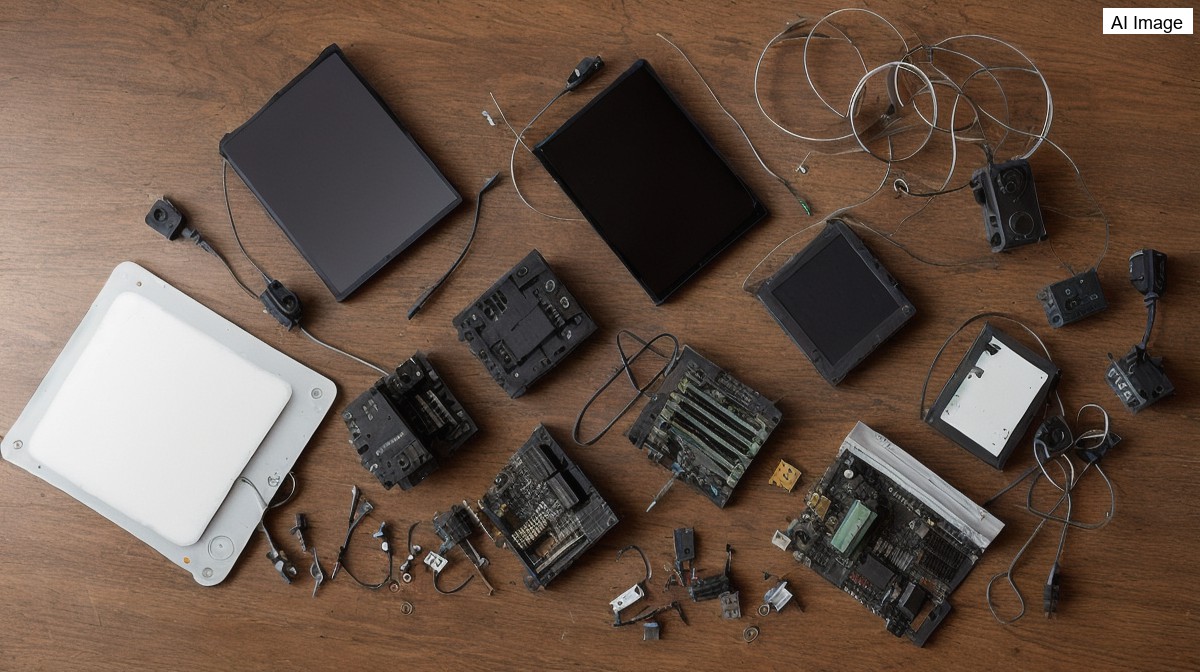
Nigeria's digital economy runs in large part on affordable technology, and much of that technology is used rather than new. Devices arrive, change hands, and keep people connected, but every gadget eventually reaches an expiry date. When that moment comes, another story begins, one that most people never see or think about. The discarded electronics that pile up afterwards are turning into a growing problem, feeding what experts describe as an emerging crisis.
A large share of the country's affordable technology arrives from abroad. More than 60,000 tons of used electronic equipment enter Nigeria every year, much of it coming through the Lagos ports. That steady flow keeps prices low and puts phones, laptops and other devices within reach of people who could not otherwise afford them, making imported second-hand electronics a backbone of everyday digital life across the country.
For many Nigerians, buying used is not really a choice but a necessity. The cost of new devices puts them beyond the reach of many households and businesses, so the market for second-hand electronics thrives. These devices offer an affordable pathway into the digital economy, allowing people to work, study and stay connected even when new equipment is simply too expensive for them to consider.
The scale of the wider problem is striking. According to the latest Global E-waste Monitor, the world generated a record 62 million tons of electronic waste in 2022, a volume described as enough to fill more than 1.5 million heavy-duty trucks. If current consumption patterns continue, that figure is projected to rise to 82 million tons by 2030, underscoring how quickly the challenge is growing on a global scale.
What makes electronic waste so concerning is that it is not simply something to dump in a bin. It is described as the most rapidly increasing waste stream, and it carries real hazards. Lead is one of the heavy metals it can contain, and it is known to cause serious illness, including kidney and lung cancer. That mix of rising volumes and toxic content is what turns discarded gadgets into a genuine public health and environmental issue.
Yet for all the risks, the failed devices also feed a busy informal economy. When electronics stop working, an entire trade comes alive around the scrap they leave behind. Dealers such as Kabir Mohammed in Kano handle electronic scrap of all kinds, from batteries and laptop parts to damaged radios and metal components. By his account, scrap worth one million naira can bring in three hundred thousand naira in profit or more in a single month, and he can supply a trailer load of it.
That trade keeps markets thriving and gives value to what many people throw away, but it also sits at the heart of the dilemma. The same devices that open an affordable door into the digital economy eventually become part of a fast-growing waste stream tied to a global crisis. Nigeria therefore finds itself caught between the benefits of cheap, accessible technology and the mounting environmental and health costs of what happens once that technology dies.