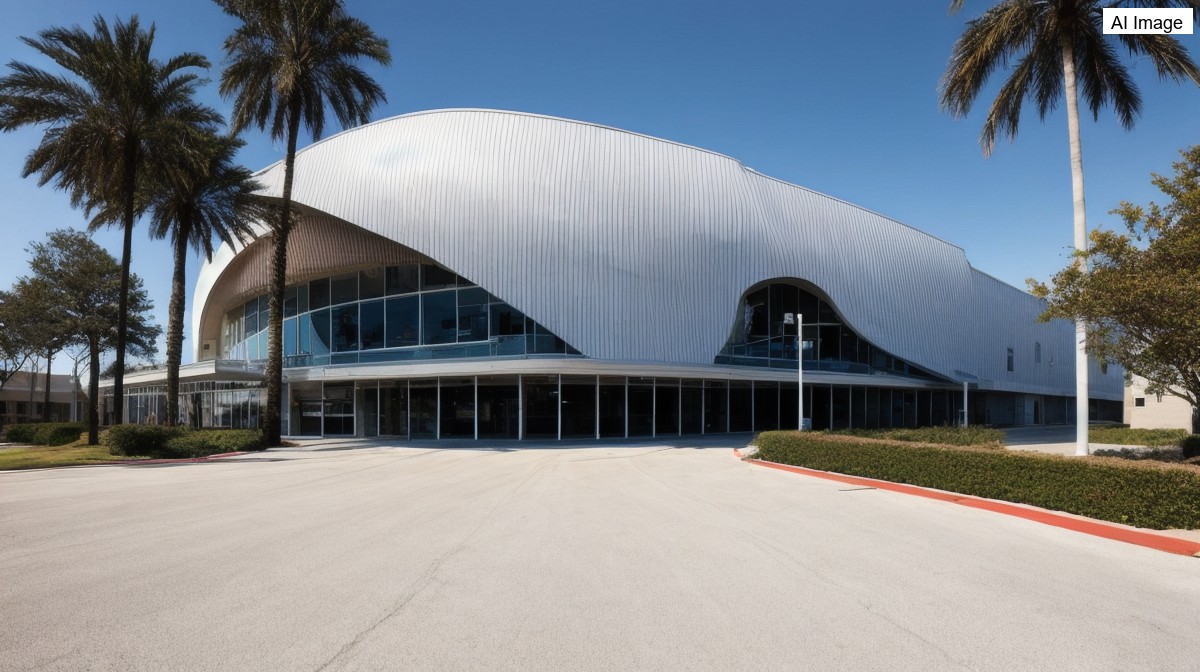
With the 2026 FIFA World Cup set to kick off on June eleventh, attention is turning to the environmental challenges facing players and spectators across the sixteen venues in three host countries. The tournament, spanning the United States, Mexico and Canada, will run through to July nineteenth, coinciding with peak summer temperatures in much of North America.
In Los Angeles, the SoFi Stadium relies on natural cooling from the nearby Pacific Ocean. A roof suspended forty five metres above the pitch provides shade, while large openings along the sides allow ocean breezes to create a form of natural air conditioning. Stadium officials say the building sits about four degrees below ambient temperature thanks to its design, and cooling protocols including misting fan systems will be deployed whenever temperatures exceed eighty degrees.
Mexico City's iconic Azteca Stadium presents different challenges at an altitude of two thousand two hundred and forty metres. Players face lower oxygen levels that reduce aerobic efficiency, and lower atmospheric pressure causes the ball to travel significantly faster, affecting technical aspects such as passing, shooting and ball control. Sports scientists recommend ten to fourteen days of acclimatization before competing at this altitude.
Medical experts warn that the greatest risks may be for spectators rather than players. Heat-related dangers are described as insidious, with fans who have underlying medical conditions potentially suffering dehydration and cardiac events without adequate preparation. Millions of international visitors unaccustomed to the heat and humidity will navigate concrete environments that act as thermal radiators.
Climate scientists also note that warmer global temperatures mean a higher frequency of severe thunderstorms and more intense rainfall compared to previous tournaments hosted in similar locations. The combination of heat, altitude and air pollution in Mexican host cities has been identified as one of the most critical logistical and sports science challenges for the competition. FIFA maintains that it is prepared to manage these environmental risks across all venues.