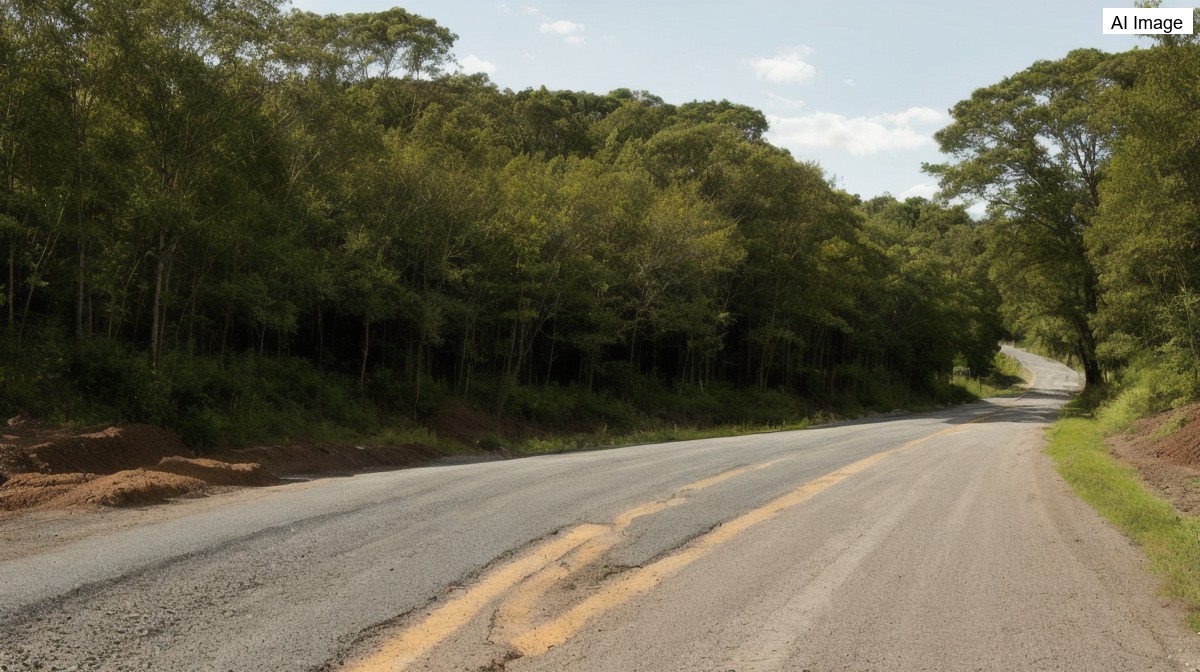
After years of anticipation, residents of the Yala communities in Cross River State are finally witnessing progress on the rehabilitation of the Yahe Wanakom Ukele Benue Border Road. The long awaited works have brought renewed hope to communities along an axis that had grown used to disappointment.
Yala local government area stands as one of the major economic hubs of Cross River State, blessed with vast agricultural potential. The area is widely known for the production of staple crops such as yam, cassava and rice, which supply markets both within the state and well beyond its borders.
Its strategic position on the boundary with Benue State makes the road network a vital lifeline. Farmers, traders and transporters rely on it daily for commerce and mobility, moving goods and people between the two states along a corridor that underpins much of the local economy.
But for years that lifeline has been strained. Residents say the deplorable condition of the road has hindered trade, driven up transport costs and slowed economic activity across the axis, leaving an area rich in farm produce struggling to get its harvests to market efficiently.
One resident described the daily ordeal of travelling the route during the rains, carrying three or four changes of clothes so that, after wading through the mud, one set could be swapped for another to continue the journey. Only motorbikes could pass, he said, forcing people to spend heavily on bike fares because vehicles simply could not get through.
Today, however, there is a shift in the narrative. Rehabilitation works are now ongoing along sections of the Wanakom Ukele Yala Benue boundary road, a development that residents hope will finally ease the movement of farmers, traders and ordinary travellers who depend on the corridor.
Providing an overview of the project, the permanent secretary of the Cross River State Ministry of Works expressed satisfaction with both the quality and the pace of the work. He pointed to equipment able to measure the thickness of the stone base and of the asphalt, used to confirm that the road is being built to the design specification it was meant to meet.