More than sixty countries worldwide have now introduced some form of ban on phone use in classrooms. The measures are part of a growing effort to lift students' learning outcomes and to protect their psychological well-being. Schools in many countries are rethinking how much screen time belongs in a lesson. Against that backdrop, one school in Sweden has decided to go further than most.
At this school in the city of Malmo, the day begins with students signing in and surrendering their devices at the door. The phones are handed over before lessons start, removing them from the classroom entirely. It is a deliberate effort to take away a constant source of distraction. For the staff, the aim is to keep students focused on the lesson in front of them rather than on a screen in their pocket.
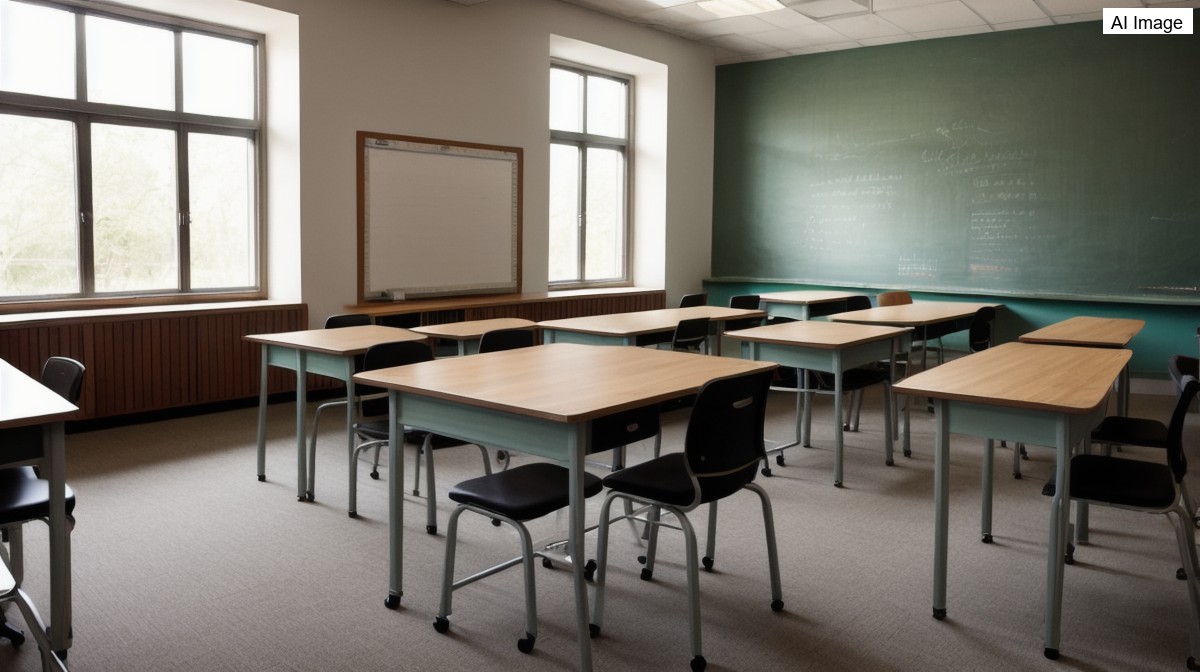
The classroom itself is an unusual sight for 2026. There is no digital whiteboard, and there are no laptops in use either. Instead, the lessons lean on more traditional tools and methods. The setup stands in contrast to the heavily digital classrooms that have become common across much of the school system.
Students at the school say they can already feel the benefits of the change. They describe how a phone always offers something to look at, making it a huge distraction during class. Without the device, they say it is easier to concentrate on the work in front of them. The early reaction from pupils has been broadly positive.
The move comes even as Sweden is regarded as a world leader in technology and as having one of the most digitally advanced education systems anywhere. Yet the country is now investing around eighty million dollars to buy physical textbooks for its classrooms. Teachers describe the shift as a welcome return to more traditional methods of teaching. They point to the idea that writing by hand, with a pencil, helps students remember material better, an argument they say is supported by scientists.
Part of the concern driving the change is a decline in basic skills. According to recent OECD data, nearly a quarter of Swedish year nine students lacked basic reading comprehension skills. Educators say there has been a broader fall in the general ability to read and write in Sweden, especially among younger children in school. That drop has coincided with the introduction of a large amount of screens into education.
The Malmo school is an early adopter of a nationwide ban on phones during class that is set to come into effect later this year. Researchers caution that more work is needed to prove a definitive link between screen use and poorer learning outcomes. Even so, they say it is an experiment worth running, with many indications that heavy screen use is bad for the classroom environment. For now, the pupils involved suggest that sometimes the best way forward is to take a step back.