Uganda is grappling with a worsening food crisis in the Karamoja sub-region, where prolonged drought has triggered widespread crop failures and severe food shortages. According to reports from the area, the crisis has already been linked to at least 16 hunger-related deaths. The situation has left many families in the region without food or a reliable source of income, as the failure of the harvest strips communities of both what they eat and what they sell to survive.
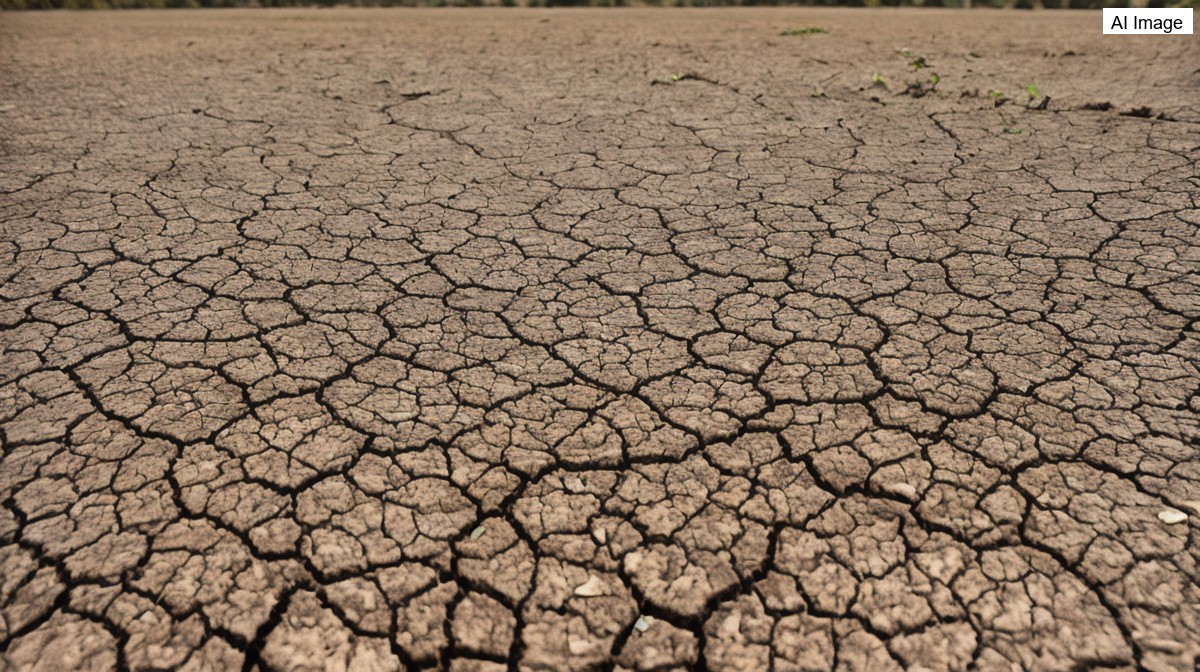
Residents say the root of the disaster is months without rainfall, which have wiped out crops across the sub-region. In Karamoja, where farming depends heavily on the rains, a prolonged dry spell translates directly into empty fields and empty granaries. With their gardens yielding nothing, households that had planted in the expectation of a harvest have been left with no way to feed themselves once their earlier food stocks ran out.
According to the Secretary of the Karamoja Regional Disaster Committee, the drought began in May and has since deepened. In one sub-county alone, more than 4,078 households and over 4,000 acres of farmland have been affected by the crop failure. Those figures point to the scale of the damage in just a single administrative area, underlining how widely the drought has spread its impact across the sub-region's farming communities and their means of survival.
The human cost of the crisis is already being felt. Officials say the food shortage has grown so severe that it is causing deaths, with at least 16 hunger-related fatalities reported and some families left with nothing at all to eat. For a population that relies on what it grows, the collapse of the harvest has removed the most basic safety net, pushing the most vulnerable towards starvation as the shortage continues to drag on without relief from the weather.
In response, Ugandan authorities say emergency food supplies are being distributed to the worst-affected districts. Additional relief has also been prepared as conditions continue to deteriorate, in an effort to reach communities where the shortage is most acute. The distribution of emergency food is aimed at preventing further deaths while the wider crisis, driven by the failed rains, continues to unfold across the Karamoja sub-region.
On the administrative side, the regional disaster committee says it has worked through a formal process to document the emergency. Officials sat as a disaster management team, carried out an analysis of the crop failure, and then compiled a disaster report. That report was submitted to the Office of the Prime Minister and to the ministry responsible for agriculture, formally flagging the crop failure and the resulting humanitarian need to the national authorities for action.
The crisis has once again exposed the vulnerability of Karamoja, described as one of Uganda's poorest and most drought-prone regions. Because communities there rely so heavily on rain-fed farming, they are especially exposed when the rains fail, with little cushion against a bad season. The current emergency underscores how quickly a prolonged dry spell can tip such a region from chronic hardship into an acute crisis that costs lives and threatens many more.