As Americans prepare to fire up their grills for the July 4th holiday, the burger on the plate is costing noticeably more this year. Beef prices have been climbing, and according to David Anderson, an agricultural economist at Texas A&M University, the increases are spread across the board with little sign of easing in the near term. For shoppers planning a cookout, it has become one of the more expensive holidays at the meat counter in recent memory.
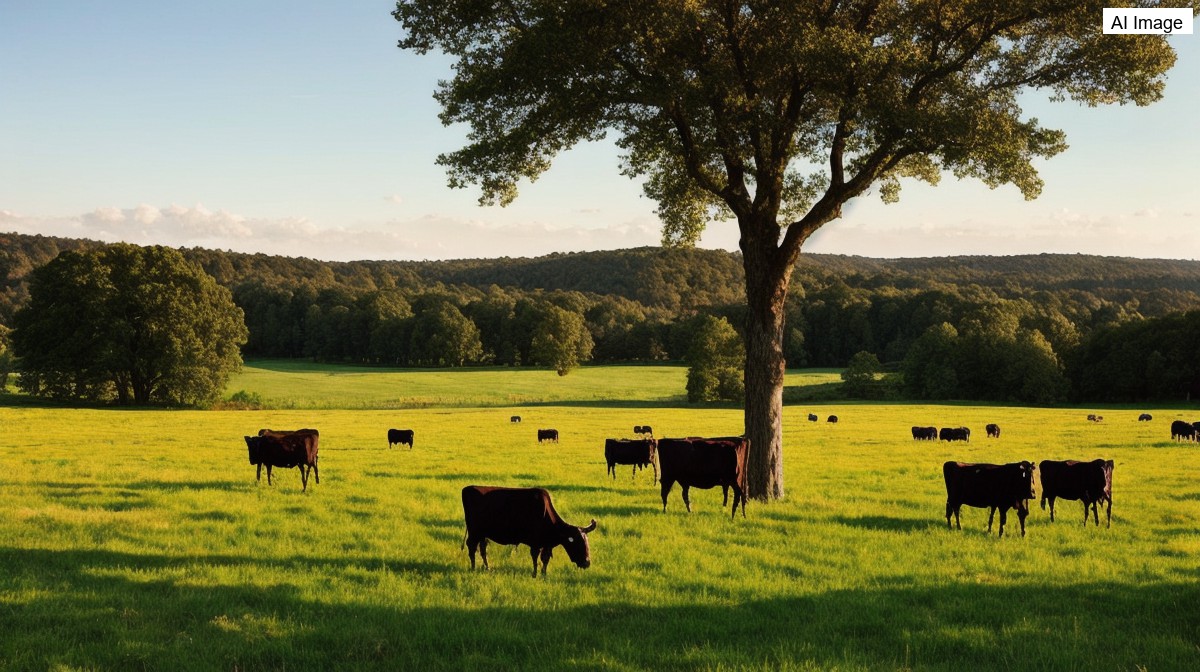
Anderson said two big forces are driving the trend, the first being supply. The United States is working with its smallest cow herd in years and is simply producing less beef, the result of several years of drought followed by stretches of low prices and high costs. Those pressures, he explained, have left ranchers with fewer cattle, tightening the amount of beef moving through the system.
The second factor is demand, which has remained strong even as supply tightens. People still like a good hamburger, Anderson noted, and appetite for beef has continued to grow. When robust demand meets a shrinking supply, the result is upward pressure on prices that consumers feel directly at the grocery store.
The higher costs are not limited to a few premium items. Anderson said prices are up across the board, with shoppers most likely to notice it in staples like ground beef as well as in steaks. Because the country is producing less of all of those cuts, there is no easy way for buyers to sidestep the increases by simply trading down to a cheaper option.
Relief, he cautioned, may still be some way off. Anderson said there is probably room for prices to rise further over time, since it looks like the country will produce even less beef next year than this year. Rebuilding takes patience, because it takes time for ranchers to begin expanding their herds and still longer for that decision to translate into more beef on the market.
Anderson also played down fears about the screwworm, a pest that has raised concern in Texas, noting that it is a fly affecting the live animal and does not affect the meat itself, though eradication efforts will add to production costs. For holiday grillers watching their budgets, his advice was practical: check grocery store specials, lean on a reliable hamburger, and consider that seafood such as Gulf shrimp may offer a good-value alternative this weekend.