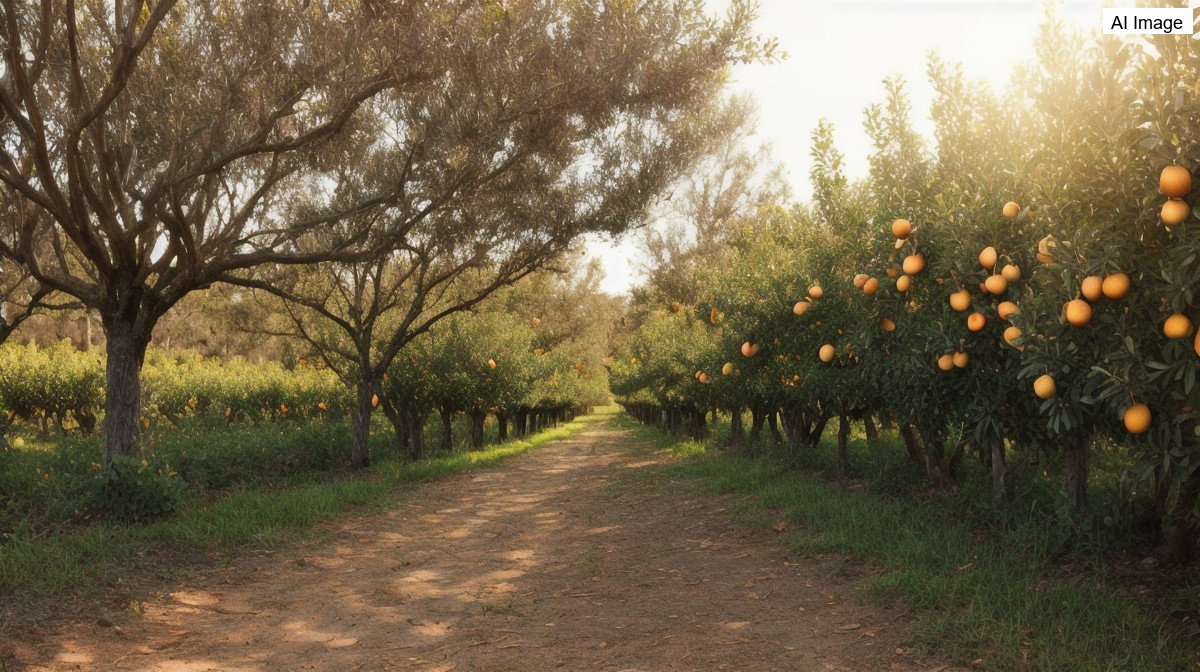
The US Food and Drug Administration has finalized a rule modernizing the standard of identity for pasteurized orange juice, a change officials cast as a lifeline for the struggling domestic citrus industry. The reform lowers the minimum required Brix, a measure of the sugar and sweetness of the juice, from 10.5 degrees to 10 degrees, and was unveiled at an event in Florida, the heart of the country's orange-growing region.
Officials explained the significance of the change by describing what a standard of identity actually is. They likened it to a recipe that outlines what a product must legally contain, and noted that the standard for orange juice had not been modernized since 1963. Until the rule took effect, they said, it required a minimum Brix level that had become increasingly impossible for domestic growers to meet, through no fault of their own.
The reason, officials said, lay in the changing reality on the ground for Florida growers. Over the years, the combination of citrus greening disease and the compounding wreckage left behind by hurricanes had naturally lowered the Brix level of Florida oranges. Yet the federal regulation had failed to evolve to account for that shift, leaving growers unable to satisfy a benchmark that no longer matched what their groves could produce.
That mismatch, according to officials, pushed the juice business toward foreign fruit. The rigid rule effectively forced manufacturers to turn away from the Sunshine State and rely on imported oranges, mainly from Brazil, simply to meet an arbitrary federal number. As a result of the FDA's long inaction, they said, foreign imports climbed to nearly 90 percent of market share, hollowing out domestic production.
Officials framed the old standard as a drag on the economy rather than a protection for consumers. They argued that the outdated regulation did nothing to safeguard shoppers while severely harming domestic production, driving up costs, costing American jobs and unnecessarily forcing higher sugar levels into orange juice. Lowering the threshold, they said, would let more Florida oranges be used in juice produced in the United States.
The financial stakes were spelled out alongside the announcement. By cutting the minimum Brix requirement to 10 degrees, officials said, the reform would reduce the country's dependence on foreign imports, strengthen American supply chains and level the playing field for domestic citrus growers, all while saving the industry more than 60 million dollars every year. They stressed that the safety, quality and taste of the product would be maintained.
The backdrop is an industry that remains economically important but is a shadow of its former self. Officials said Florida citrus accounts for nearly 7 billion dollars in annual economic impact and employs more than 30,000 people, but that the figure is only a fraction of what it once was. Acting FDA Commissioner Kyle Diamantes, a native Floridian, said he had seen firsthand how vital the industry was to the state's communities, culture and economy.
The rule was presented as part of a broader deregulatory push. Health and Human Services Secretary Robert F. Kennedy Jr. tied it to efforts to cut what he called red tape and to a wider drive to give Americans access to what he described as real food they can trust. Officials thanked the congressional delegation and growers who attended, noted the supporting role of the US Department of Agriculture, and said the measure was aimed at reducing reliance on foreign imports and unleashing American agriculture.