AT&T is betting heavily on fiber, arguing that the kind of capable infrastructure it is building will be necessary for the artificial intelligence economy. The company says fiber future-proofs its network, providing the best foundation it can find for long-term bandwidth consumption.
The pace of that build-out is accelerating. It took about 20 years for the United States to reach roughly half of its households with fiber, but the company expects that figure to climb from 50 percent to 80 percent in about five years. It says no other technology sets a network up better for the demand it sees coming.
AT&T frames its position as a cost advantage. Fiber provides the lowest economic cost on the fixed side and 5G the lowest for wireless, and the company says it is the only operator to have scaled networks in both. That combination, it argues, is a natural advantage that lets it drive strong economics for itself while delivering value to consumers.
The competitive picture is mixed. AT&T holds a decisive edge in fiber subscribers over rivals Verizon and T-Mobile, but it trails them in wireless, where it sits third. Chief financial officer Pascal Desroches said he does not like being number three in anything, while pointing to steady progress in growing service revenue under John Stankey's leadership.
The strategy, Desroches said, is to capture the highest share of wallet in the industry rather than to be the top handset or broadband provider. Some of that spending may come from fixed services and some from wireless, with the consumer fiber bet expected to pay off in double-digit growth.
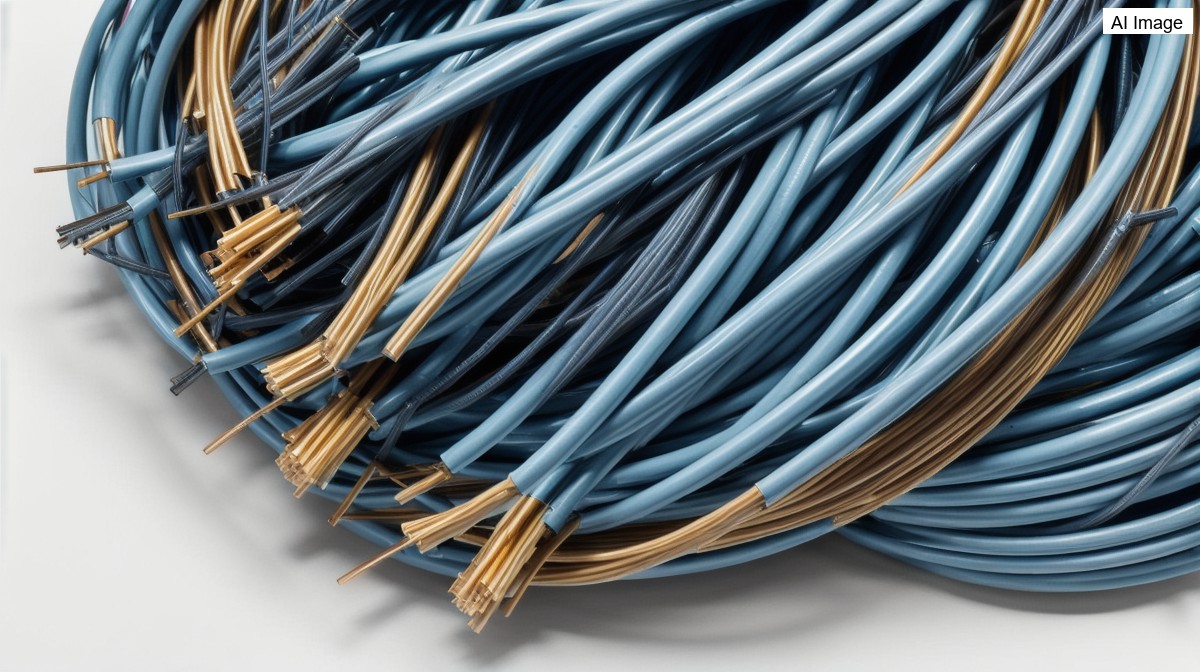
At the same time, AT&T is retiring its legacy copper network and taking those costs off its books. The company is currently running both copper and fiber networks, with about 6 billion dollars of total expenses tied to copper that it expects to decline to zero, aiming to be out of the copper business by the end of 2029. As it decommissions the network, it is also selling the copper itself, which Desroches said is fetching attractive prices as a commodity.
Underpinning all of this is heavy investment. Desroches said AT&T plans to spend about 22 billion dollars on capital expenditure in each of the next three years, divided between expanding the reach of fiber, adding coverage and capacity as more customers join the network, and modernizing its wireless service to drive down unit costs. He argued the company cannot wait for certainty before building, because such projects have long lead times and require conviction about where demand is heading.