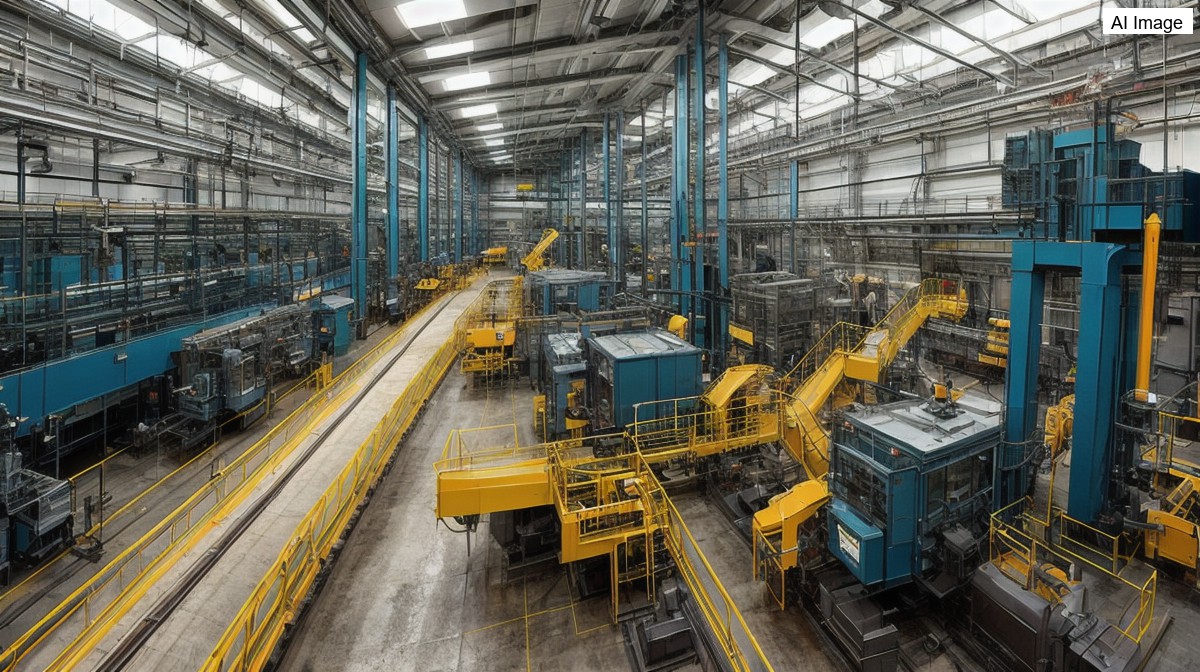
Piper Sandler's chief economist Nancy Lazar has described the current US labor market as one of the healthiest she has seen in decades, driven by a fundamental shift from white-collar services toward goods-producing blue-collar employment. The transformation is particularly visible in the Midwest, where Lazar reports a rejuvenation that is rebuilding communities devastated after China's entry into the World Trade Organization.
The shift represents a broadening of the labor market that Lazar views as structurally positive. Goods-producing jobs in manufacturing, construction and related industries are now becoming an important driver of employment growth, particularly outside the Northeast and West Coast. This marks a reversal of the decades-long trend that concentrated job creation almost exclusively in white-collar urban centres.
While concerns persist about younger college graduates facing a more difficult employment market, Lazar noted that the unemployment rate for recent graduates is approximately three percentage points higher than for older college graduates, a differential she describes as historically normal rather than alarming. White-collar jobs will continue to exist, she argues, but the labour market is becoming healthier by diversifying its base.
On the inflation front, Lazar presents a contrarian view that price pressures are actually easing. Money growth has slowed significantly from the double-digit rates of 2021, federal government spending has stalled as reflected in first-quarter GDP data, and tariff rates have peaked following a Supreme Court ruling. Walmart even signalled last week that it would lower prices partly due to tariff refund benefits.
Consumers are pushing back against service-sector price increases, Lazar observed. While airfares and hotel rates have risen, real consumer spending in both categories has actually stalled or declined. The difference from 2021-2022 is that nominal income growth was running at 10 percent then, allowing consumers to absorb higher prices. Now consumers simply cannot afford to pay more, making current price increases more of a tax than a sustainable inflationary shift.
The back-office segment of the economy is experiencing creative destruction as technology continues to make businesses more efficient. Fewer people are needed in certain service roles, a trend Lazar says has been constant throughout her career. However, the crucial difference now is that the shrinkage in back-office roles is being offset by growth in goods-producing employment, creating a more balanced and resilient overall jobs picture.
Record corporate profit margins, far from being a warning sign, are viewed by Lazar as essential to sustaining the employment cycle. Companies that are making money hire more workers, while companies losing money cut staff. The current combination of strong margins, broadening employment across sectors and geographies, and moderating inflation creates what Lazar considers the foundation for a durable economic expansion.