Loading article...
Global supply chains permanently restructured as China-US trade drops while China-Asia and China-Europe flows surge
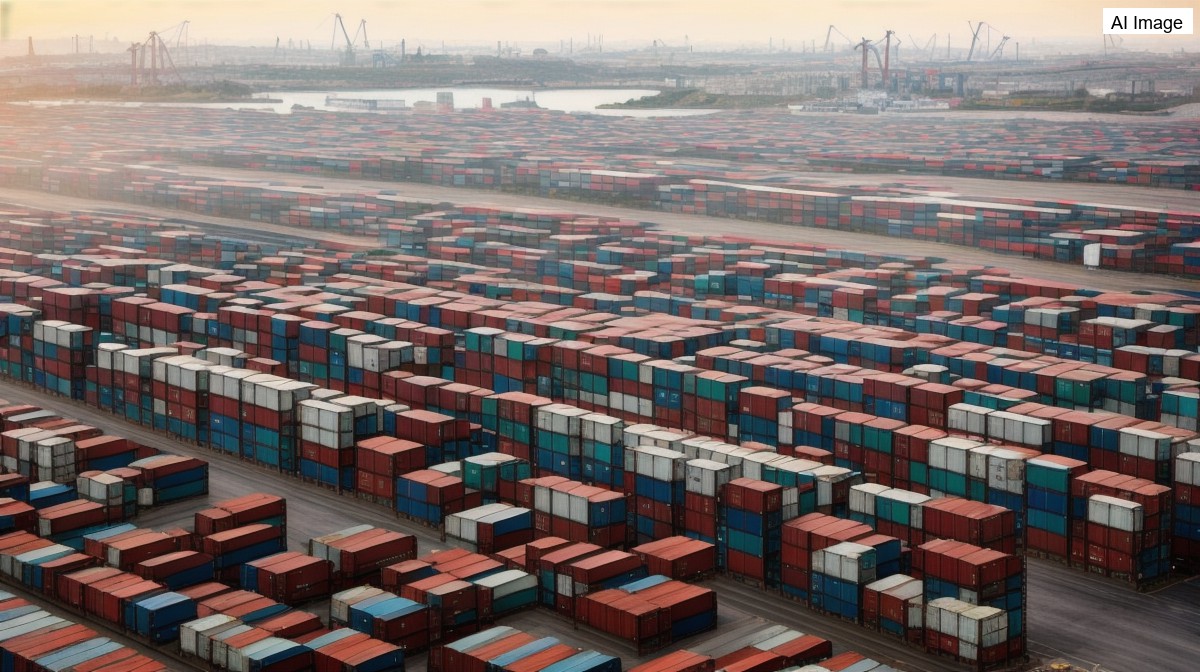
Global supply chain patterns have been permanently restructured, with China-to-US traffic declining significantly following the removal of de minimis exemptions, while China's intra-Asia, China-Europe and China-Latin America flows are all rising. Experts at Bloomberg New Economy say these disruptions do not follow election cycles but reflect fundamental market changes that will persist regardless of political leadership.
Global supply chain patterns have undergone a permanent restructuring, according to analysis presented at the Bloomberg New Economy forum. China-to-United States trade has declined significantly, particularly in the business-to-consumer segment, following the removal of de minimis shipping exemptions by the Trump administration.
However, China's trade with the rest of the world is surging to compensate. Intra-Asia flows from China are up, China-Europe flows are up, and China-Latin America flows are also rising. The mix of China's exports has fundamentally shifted away from the United States, with these new trade lanes becoming increasingly important.
Experts emphasised that these disruptions do not follow election cycles but reflect fundamental changes in global markets. A new equilibrium state is being formed in supply chain patterns that are much more regional in nature, making the situation far more complex than a simple China-plus-one strategy.
In the private markets space, industry leaders warned that consolidation is accelerating. Unlike public markets, size is not the enemy of performance in private markets. Larger firms can invest more in local origination, product development and large balance sheets, making them more relevant to both customers and global investors.
On artificial intelligence, speakers stressed that AI is not a technology with national borders. Models launched in one country are available worldwide, requiring developers to think about global implications from the start. Investment in infrastructure, education and workforce preparation was identified as essential for countries seeking to benefit from the AI economy rather than being left behind.