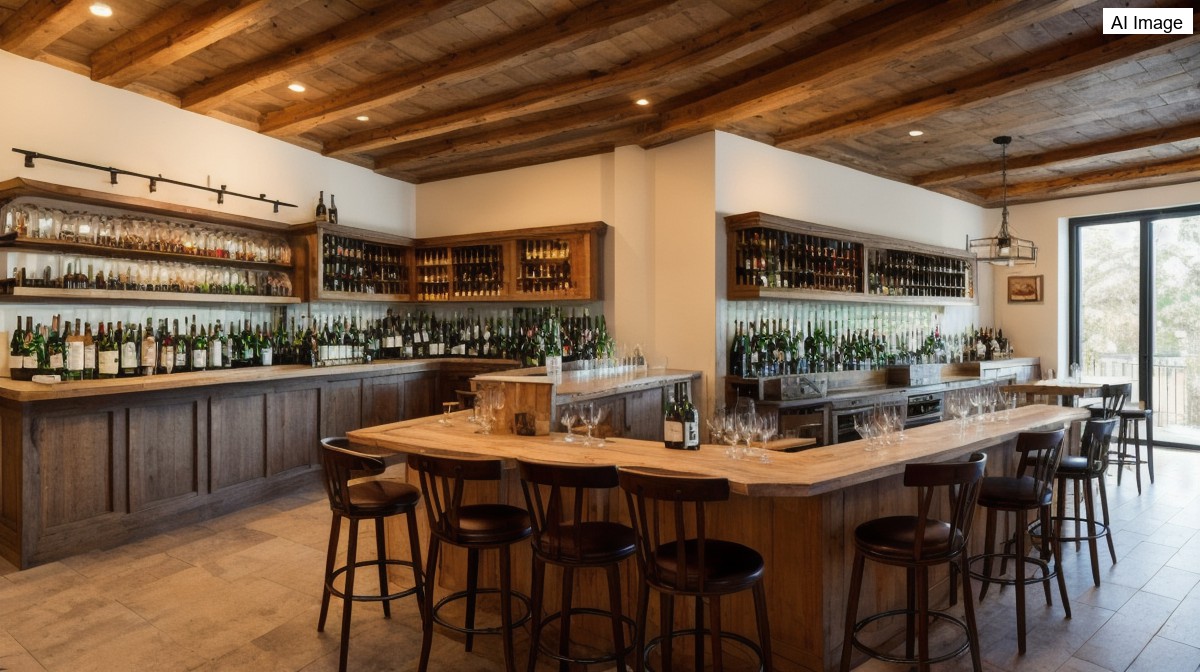
Elul Cellars, a Seattle winery, is closing its tasting room in the Capitol Hill neighborhood, one of the owners told FOX 13 Seattle. The station framed the closure as another example of the struggles facing small business owners who try to keep shops open in the city, a beat its reporter has been covering closely in recent months.
For the winery, the Capitol Hill space was more than just one of its locations. Owner Samuel Hilbert said it was their flagship and first presence, a place that had hosted many events, fundraisers and parties over the years. The founders chose the neighborhood in part because they lived there at the time, and, as queer winemakers, they wanted a winery in the heart of the queer community.
Hilbert said the decision to close came down to a number of factors, including cost, crime and a loss of tourism traffic since the pandemic. He pointed in particular to Broadway, a normally busy thoroughfare nearby, saying the foot traffic that used to draw people to the area has shifted and never fully returned, which has weighed on a shop that sits just off the main strip.
On the safety front, Hilbert described a nearby alley he said had become impassable, filled with rats and trash and with people dealing and using drugs, a problem he said had gone unaddressed and scared off customers. Some patrons, he said, would rather take an Uber than walk anywhere near it, especially in the evenings. He contrasted that with the winery's Ballard site, where he said the business works closely with the Ballard Alliance and its security coordinator and feels it has support, unlike on Capitol Hill.
The reporter added that city rules also leave owners feeling unprotected, noting that officers generally will not respond to a business break-in unless there is video of a suspect inside. Business owners, he said, often feel they are not valued even as they do everything they can just to stay afloat, a sentiment echoed across many of the closure stories he has covered.
The numbers behind the closure are tight. The reporter noted that restaurants and hospitality businesses in the Seattle and Washington markets often operate on margins close to one and a half percent, compared with a national average of around four percent. That leaves owners, as he put it, already up against a wall before they face any local hurdles.
Those local hurdles include rising costs and permitting fees. Hilbert described a small patio at the Capitol Hill location where, he said, it would have cost more to remove the patio than to pay the permit, which had tripled in price. Unable to justify the removal, he simply paid the higher permit fee again, one of many recurring expenses that make operating harder.
Faced with those pressures across three sites, the owners decided to cut the location with the most difficulty. The winery will hold its last night of regular service before wrapping up, with a farewell party planned for mid August. Its Ballard and Queen Anne locations will remain open, meaning the business is stepping back from a neighborhood rather than leaving the city entirely.
The station said the case is not unique, recalling other Seattle businesses that fought to stay afloat, including some that held on in hopes of a boost from the recent World Cup. With that event over, the reporter said, the departure of a longtime tasting room from a vibrant, active corner of Capitol Hill raises questions about what lies ahead for the neighborhood and for other small operators like it.