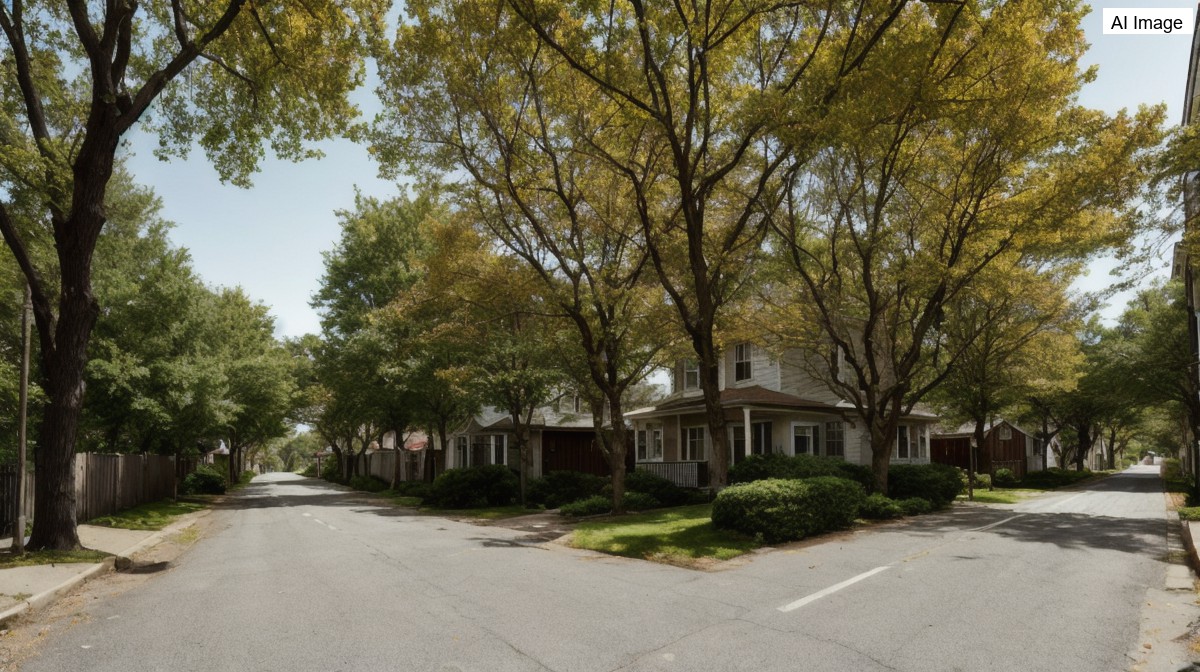
For many families on Long Island, buying a home has become an increasingly distant goal, as rising prices and limited inventory push ownership further out of reach. Now the town of Southold is proposing a program aimed squarely at the hardest part of the process, the down payment, joining a small group of local efforts trying to make homeownership attainable again.
Under the proposal, the town would offer qualifying buyers a loan of up to $135,000 to help cover their down payment. The money would come from $1.4 million set aside in the town's community housing fund, and the assistance could cover as much as 18% of a home's purchase price, easing one of the biggest barriers first-time buyers face.
The program would come with strict conditions. To qualify, the home being purchased would have to cost no more than $750,000, a threshold that, in Southold's current market, sharply narrows the range of properties a prospective buyer could actually consider under the plan.
That is because home prices in the area sit well above that limit. According to Zillow, the average home price in Southold is now around $1.1 million. Over the last two years, only about 120 homes in the town have sold for $750,000 or less, underscoring just how small the pool of eligible properties could turn out to be.
The gap between the price cap and the local market has not gone unnoticed. As one observer put it, buyers and officials are going to have to make some workarounds and figure it out when it comes to those values, given how few homes fall beneath the ceiling the program would set for eligibility.
Southold would not be alone in offering this kind of help. Brookhaven and Islip Town also run down-payment assistance programs, and both counties have their own versions as well, part of a broader push across Long Island to ease the upfront cost of getting into a first home for those who might otherwise be priced out.
For now, though, availability is limited. Among the existing programs, only Brookhaven is currently taking new applicants, which means that even as options exist on paper, families searching for help today may find that few doors are actually open to them at the moment.