American consumers are bracing for higher food bills this summer as prices for staple items continue their upward trajectory. According to Caleb Silver, chief business editor at People Link, food prices in general are up between 3.5 and 4 percent compared to last year, with higher energy prices identified as a primary driver that will continue to push costs higher throughout the summer season.
Among the most affected products are field-grown tomatoes, which have seen a striking 15 percent increase in price. Much of this surge is attributed directly to tariffs imposed on imports from Mexico, which supplies a significant portion of the tomatoes consumed in the United States. The tariff impact has rippled through supply chains, affecting both wholesale and retail prices at supermarkets across the country.
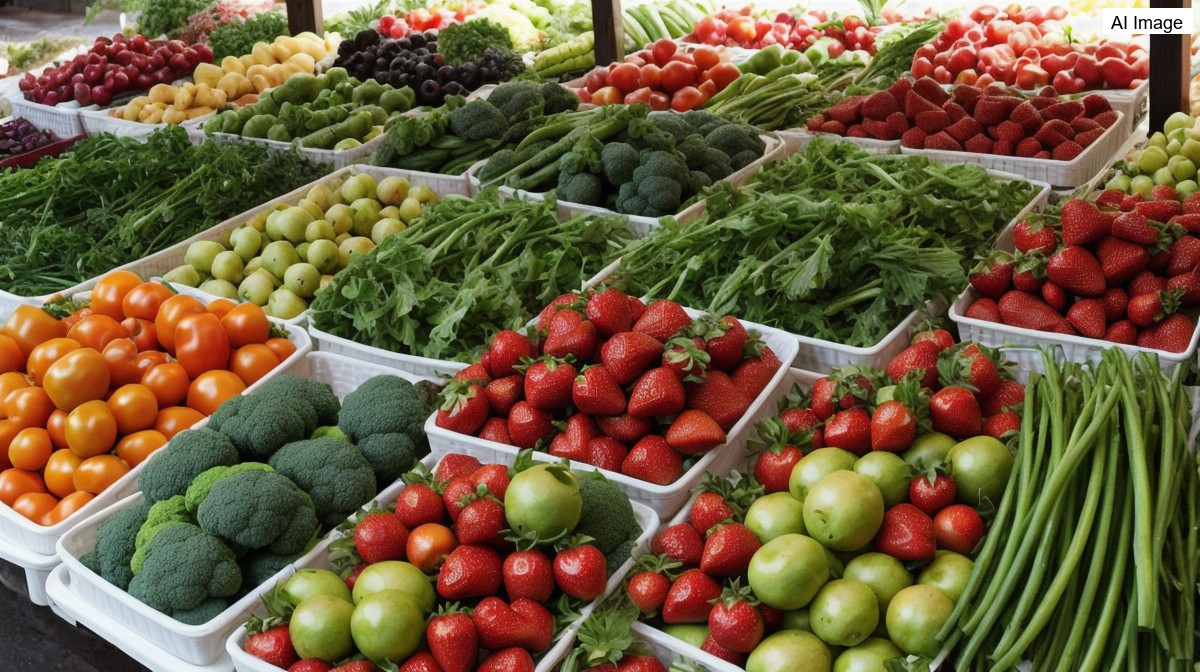
Other popular summer fruits and vegetables have experienced more modest price movements. Strawberries have seen a slight increase of roughly half a percent to one percent, while watermelon prices remain relatively stable compared to last summer, though they too have edged slightly higher due to elevated energy costs affecting transportation and refrigeration throughout the supply chain.
The exact cost impact on individual items depends significantly on where the produce is sourced. Locally grown fruits and vegetables tend to be less affected by tariffs and long-distance transportation costs, leading experts to recommend that consumers head to their neighbourhood farmers' markets and shop local whenever possible to manage their summer food budgets more effectively.
Major retail chains are also responding to consumer concerns about affordability. Stop and Shop announced that newly lowered prices will remain consistent across all of its locations, from East Hampton in New York to the Jersey Shore in New Jersey, and that these reductions will remain in place for years to come. The company's commitment to stable pricing aims to provide shoppers with predictability in an uncertain economic environment.
Shoppers interviewed across the region expressed frustration with the persistent rise in food costs. Many described the current pricing environment as rough and noted that the combined effect of higher fuel prices and food inflation has significantly strained household budgets. Some consumers reported that their grocery bills had effectively tripled compared to pre-pandemic levels, particularly for fresh produce and seasonal items.
Looking ahead, analysts warn that food prices are unlikely to decline significantly until energy costs come down, which remains dependent on the resolution of geopolitical tensions affecting global oil markets. The ongoing conflict in the Middle East continues to keep petroleum prices elevated, creating a persistent upward pressure on food production, processing and distribution costs that ultimately reaches consumers at the checkout counter.