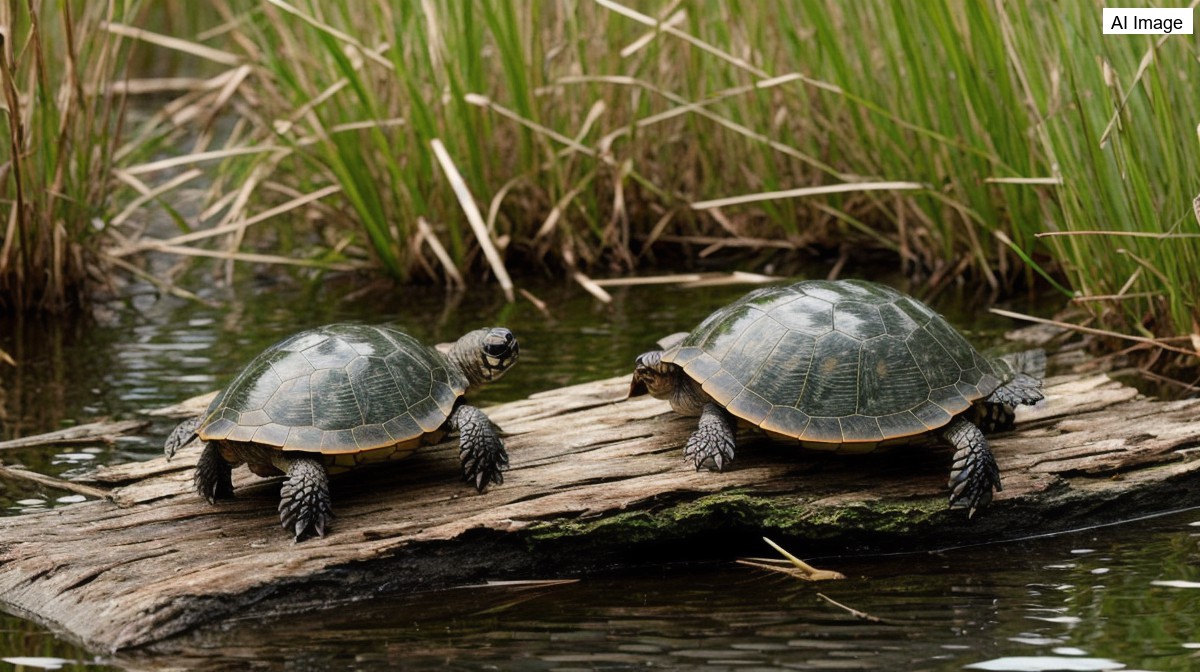
A group of young turtles at Seattle's Woodland Park Zoo faced a decisive moment this week, as biologists set out to judge which of them are ready to leave the safety of the zoo and start life in the wild. The animals at the center of the assessment are western pond turtles, a species being given a careful helping hand before being returned to nature.
The evaluation was led by biologists from the Washington Department of Fish and Wildlife, who examined the group of 39 western pond turtles one by one. Their task was to determine which of the turtles had grown enough to make it on their own, a judgment that will decide which animals graduate to release and which may need more time before they are ready.
At the heart of the test is a simple but crucial measure: size. The biologists are checking how big each turtle is, because the difference between a turtle that is large enough and one that is still too small can be the difference between survival and becoming prey once the animals are out in the open water of the wild.
The specific danger the turtles must be able to withstand comes from invasive bullfrogs. The point of the size check is to confirm that each turtle is big enough to escape the mouths of these bullfrogs, predators that can swallow a small turtle whole and that pose one of the most serious threats to the young animals once they are released.
For the turtles that pass, the reward is a new chapter. Those judged big enough will move on from the zoo and be released into protected wetlands, habitats chosen so that the animals can settle into life in the wild with a far better chance of avoiding the invasive frogs that might otherwise cut their lives short.
The approach reflects a hands-on style of conservation, in which animals are raised in the controlled setting of the zoo until they are robust enough to face the hazards of the natural world. By holding the turtles until they reach a protective size, the program aims to tilt the odds in their favor at the most vulnerable stage of their lives.
For the staff and biologists involved, the size test is the culmination of months of care, the last checkpoint before the turtles are entrusted to the wetlands. Each turtle that clears the bar represents one more individual of the species set loose with the strength to defend itself, a small but tangible step in the wider effort to keep western pond turtles on Washington's landscape.