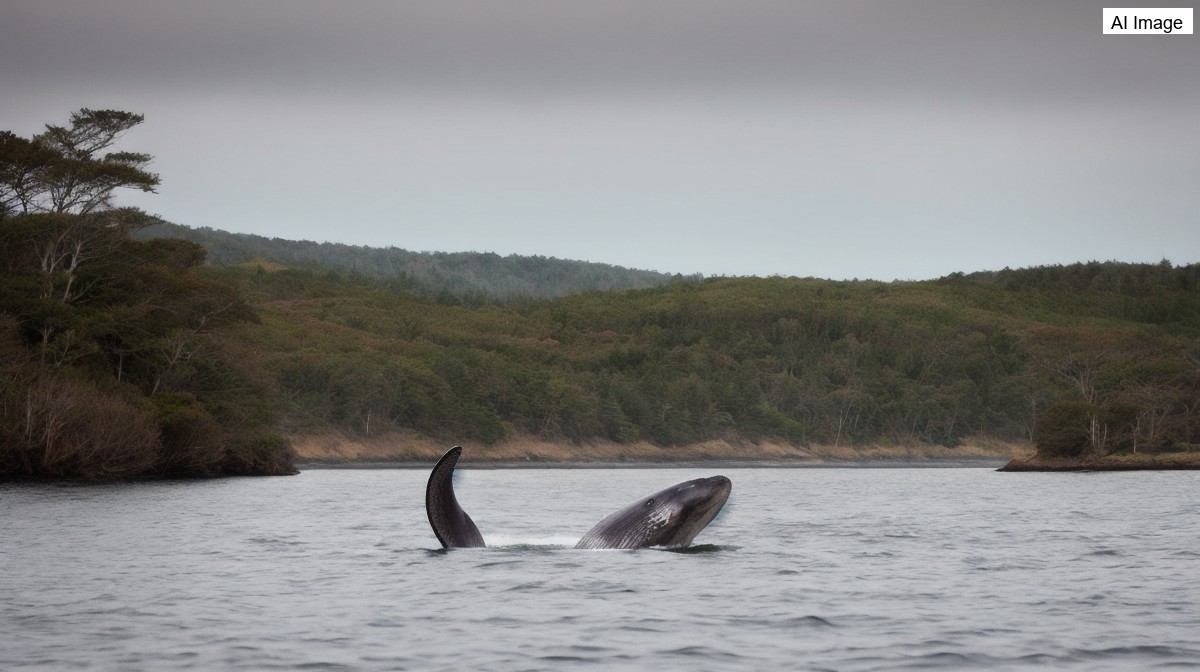
The string of gray whale deaths along the Washington coast has grown again, deepening concern among researchers tracking the toll. A 26th dead gray whale has now been found since March, the latest addition to a count that has steadily climbed through the spring and kept marine scientists focused on what is driving the losses.
The grim tally is being kept by the Cascadia Research Collective, the organization that has been tracking these deaths along the coastline. By documenting each animal as it is discovered, the group is building a picture of a die-off that has unfolded over several months and that shows little sign of easing as the season goes on.
The most recent whale was found in a specific stretch of the Washington shoreline. According to Cascadia Research, it was located near Point Grenville, an area close to the Quinault Reservation and situated just north of Ocean Shores, a part of the coast that has become a recurring setting for these discoveries.
In many of the earlier cases, the whales have offered clues about what may have gone wrong. A number of the animals have been found exhibiting malnutrition or trauma consistent with boat collisions, two patterns that point to both the difficulty these whales face in finding enough food and the dangers posed by busy coastal waters.
This particular whale, however, was harder to assess. It was found already decomposed and washed out with the tide, a condition that can make it more difficult for researchers to determine a precise cause of death and to know whether it fits the same pattern seen in the other animals recovered in recent months.
Each new discovery adds weight to the questions surrounding the broader event. With 26 deaths recorded since March, the pattern has moved beyond isolated strandings and into a sustained trend, the kind of repeated loss that prompts close monitoring of the health of the gray whale population that migrates along this coast.
For now, the work of recording and examining the whales continues, with each carcass offering another data point in an unfolding picture. As researchers track where the whales are turning up and what condition they are in, the hope is that the accumulating information will help explain why so many gray whales have died along the Washington coast this year.