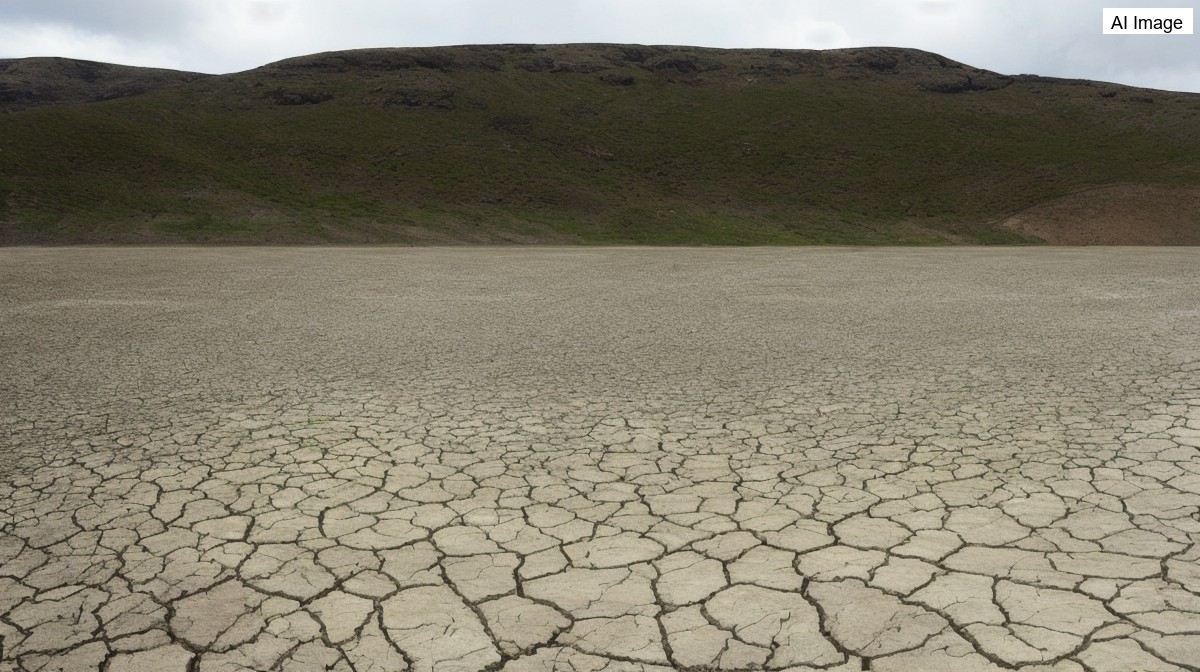
The Texas city of Corpus Christi is literally running out of water, and despite that reality its elected leadership has remained unable to agree on a path forward. The standoff has now drawn in the state, with the governor threatening a takeover of the city's handling of the crisis. What began as a local shortage has escalated into a question of who should be in charge of the response.
The numbers underline how serious the situation has become. According to one local commentator who said he checked the figures, the reservoirs are at roughly 13 percent of capacity. That leaves little margin for a city and surrounding area that have already lived through a prolonged dry spell, and it is the backdrop against which the takeover threat is being raised.
Crucially, the problem does not stop at the city limits. Corpus Christi supplies water to around nine counties, which means commentators on the panel stressed this is a regional issue rather than a purely municipal one. A failure in one city's water system would ripple across a much wider area that depends on the same supply.
That regional reach gives the crisis an economic edge. Panelists warned of a tremendous impact on oil and gas and on agriculture, noting that the region feeds oil and gas into wider supply chains, including for the airlines. The concern is that a water failure would not only affect households but also key industries tied to the area.
Recent weather has complicated the politics of the response. After a week of rain following what was described as roughly two decades of drought, the city council was said to feel less pressure and to consider easing restrictions. Commentators pushed back on that thinking, cautioning that a single week of rain does not undo a two-decade drought and that the danger is far from over.
Longer-term solutions have stalled. Although Corpus Christi sits on the Gulf of Mexico and desalination has been raised as an option, a planned desalination plant was blocked by environmentalists worried about its effect on salinity. The issue, as explained on the panel, is that the salt removed during desalination has to be put somewhere, and returning it to the water can spike salinity in the surrounding area.
For those discussing the crisis, the underlying failure is one of delayed decisions. They argued that infrastructure choices were repeatedly put off until the area reached what one called a point of no return, and that the governor should arguably have stepped in earlier. With reservoirs low and no easy answers on the table, the debate now centers on whether a state takeover and long-postponed projects can come in time.