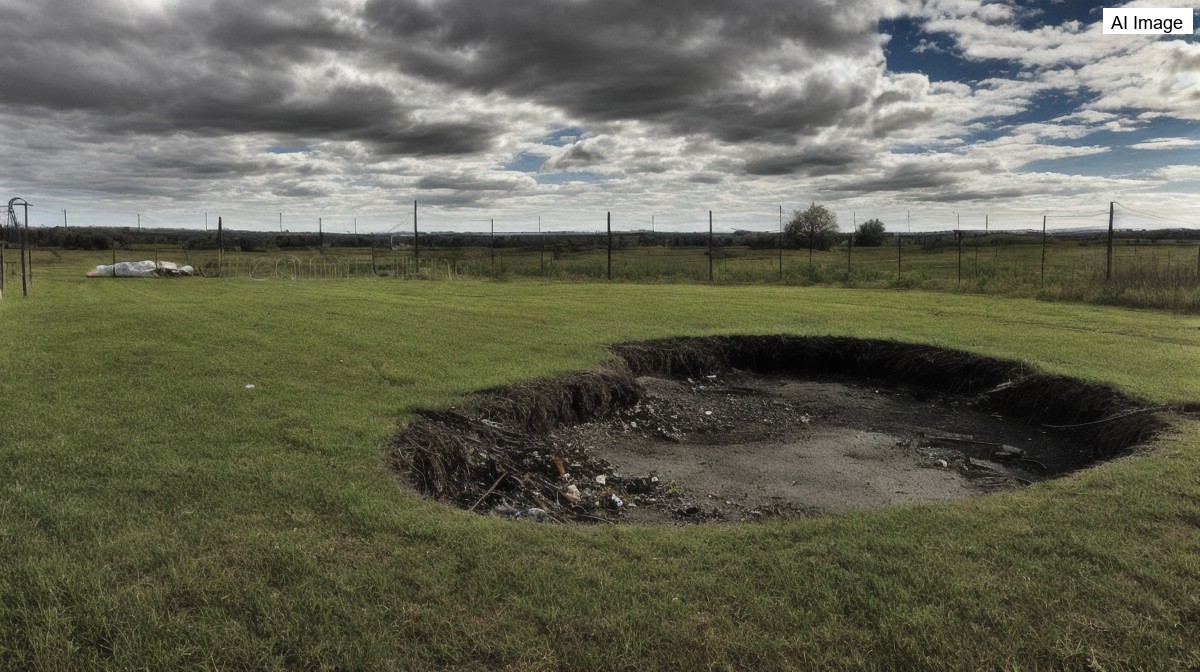
Homeowners in a New Jersey community are getting new information about a contaminated landfill that some believe may be linked to a cancer cluster in the surrounding neighborhood. The details come from testing data released by the company planning to redevelop the site, offering the clearest picture yet of what lies in the ground beneath a property that residents have long worried about.
A company called Pacer Partners finished testing two areas of the 62-acre property in question, the old Keyport Municipal Landfill and a former Arrow Marine industrial site. The results have become the focus of intense attention in a neighborhood where fears about contamination and illness have simmered for years, and where the redevelopment plan has made the underground conditions a pressing public issue.
The landfill data pointed to significant contamination. After checking 13 wells, the testing found that groundwater contained ammonia, aluminum, arsenic, cobalt, benzene, iron, lead and PFAS, along with other heavy metals that exceeded state Department of Environmental Protection standards. The presence of so many substances above the thresholds underscored the scale of what has accumulated beneath the former dump.
Pacer Partners sought to place the findings in context, saying groundwater conditions beneath the former landfill were generally consistent with conditions expected at a historic landfill. At the former Arrow Marine site, where there had been worries about chemical or fuel storage, groundwater testing came back below standards, and the company said soil and groundwater impacts there were limited to discrete areas that will be addressed through targeted remediation.
For residents, the stakes are deeply personal. About 400 people in Keyport and Union Beach have reported having a family member with cancer, and they are now watching the study conclusions very closely. The central question for the community is whether any of the contaminants found on the property made their way into neighboring homes, and whether there was some kind of pathway between the site and the surrounding area.
The most recent study does not answer that question explicitly, leaving many residents waiting on a separate state study for more insight. A professor from the Rutgers University School of Public Health said some of the chemicals found there, including benzene and arsenic, can cause cancer at sufficient levels of exposure, describing them as chemicals of concern while acknowledging how difficult it can be for people to remain patient.
Residents were expected to press for answers at a community meeting on the findings, held Thursday, as they awaited the state study now underway. In the meantime, Pacer Partners has said the landfill needs to be capped before any redevelopment can proceed and that hotspots must be remediated, leaving the neighborhood to weigh the reassurances against its lingering fears about the site.