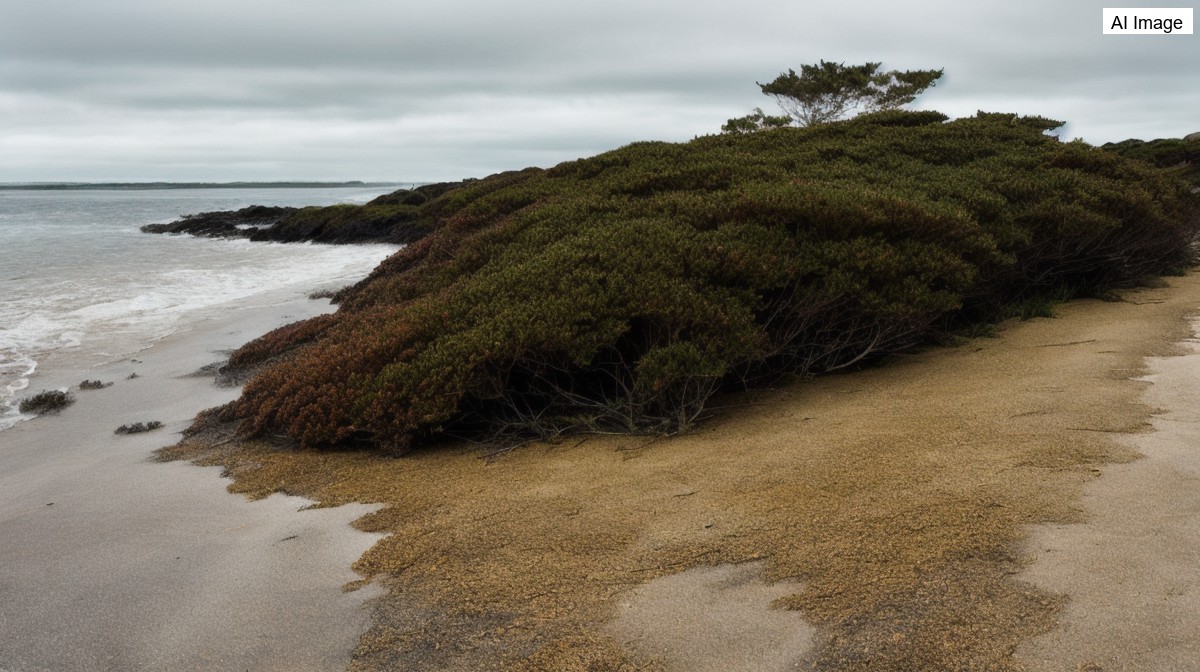
Large amounts of seaweed have piled up along the South Florida coast, leaving beaches covered in a thick, musty smelling layer that has driven many beachgoers away from the water. Visitors and locals alike have complained about the rotting odour and the unsightly mats of weed, describing the situation as hard to stand during what should be a pleasant time at the shore.
From the air, the scale of the problem is clear, with a straight line of seaweed running up and down the South Florida coast. People have largely stopped going into the water, and some have turned to reporters for answers, asking when the seaweed is finally going to stop coming in or when it might go away for good.
One visitor from Austin, Texas, said the beaches were night and day compared with a previous trip in December, when the water had been clear. She said the seaweed was now so bad that her husband did not even want to come to the beach, a complaint echoed by others who found the conditions far worse than they had expected.
Pompano Beach has been among the worst hit, and the city has been trying to keep up. The difficulty, officials say, is that even when crews clear the beach, the seaweed is back again within about 12 hours, making it almost impossible to keep the sand clean for long before another wave of weed washes ashore.
Pompano Commissioner Audrey Fezzik said she was hearing the complaints from residents and visitors. Crews use beach rakers to bury the seaweed, but that approach has a drawback of its own, since the buried weed then rots and produces a stench that can linger on the beach for several days afterwards.
Fort Lauderdale Beach also uses beach raking, with careful attention paid to avoid disturbing the turtle nests along the shore. Some of the seaweed there is scooped up and sent to a park, where it is left to decompose into rich black soil, a process the city says saves it around 100,000 dollars a year in dumping fees.
Despite those efforts, the beaches remain overwhelmed, and officials say the region will be living with the seaweed for some time. There is particular concern about how the conditions could affect tourism with the World Cup approaching, even as authorities note that burying the weed can help build dunes and provide food for sea life.