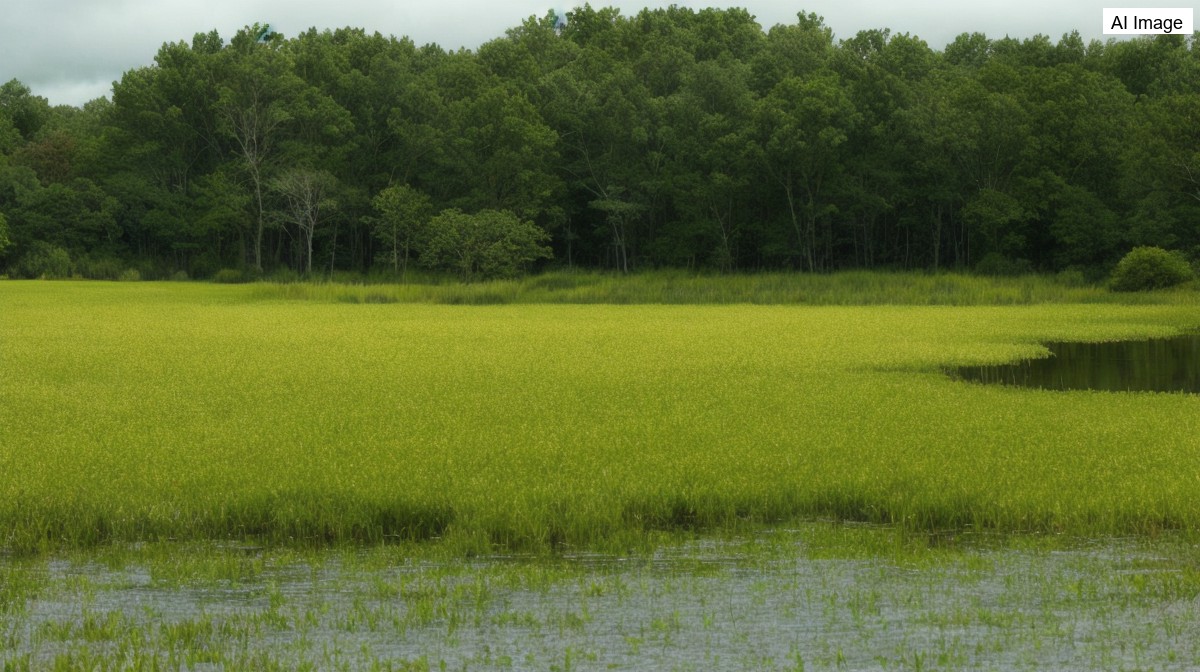
In Stockton, California, the Port of Stockton and a range of partners are launching what they describe as a first-of-its-kind pilot project aimed at combating the harmful algae blooms that appear in local waters almost every year. The goal is to attack the problem in a new way before it takes hold again this summer.
The focus is on McLeod Lake, near Weber Point in downtown Stockton. The blue water there typically turns green as algae builds up and makes its way to the surface. Officials note that the algae problem in the Delta was first discovered back in 1999.
For the past four years, the Department of Water Resources has been taking samples at the site. According to officials, the algae can carry toxins that cause major problems for fish and wildlife by choking off oxygen, and can also create issues for people who like to be in or near the water.
That is why the Port of Stockton, the Department of Water Resources, the Army Corps of Engineers and other partners are teaming up to study and attack the algae in a different way for the first time. Their approach is dredging, literally digging up the sediment below the water to try to remove the algae at its source.
As part of the work, crews will collect sediment and water samples. They want to determine whether the overwintering seed stock has decreased compared with before dredging, and whether the blooms are less severe afterward, running a variety of tests to make that determination.
With the project fully funded by an Army Corps of Engineers grant, officials plan to focus on McLeod Lake for now because the cost of dredging is very high. They aim to assess the cost and area by around September and hope to begin the work in November. If it goes well, the Army Corps may adopt the strategy and apply it to other waterways nationwide.