Washington is heading to court once again, this time over federal climate policy. The state's attorney general, Nick Brown, is challenging the Trump administration's move to weaken the rules surrounding a group of chemicals described as highly potent greenhouse gases, opening another legal front between the states and the federal government on environmental regulation.
Brown is not acting alone. He has joined with leaders from 16 other states and cities in the challenge, forming a broad coalition that is pushing back against the new rule. The size of the group signals how many jurisdictions see the change as a threat to their own environmental efforts.
At the center of the case is a new Environmental Protection Agency rule that weakens the regulation of hydrofluorocarbons, commonly known as HFCs. The coalition is targeting that rule directly, arguing that the federal government should not be loosening the controls that had been placed on these substances.
The lawsuit contends that the change carries real consequences for state-level climate work. According to the challenge, the new guidelines make it more difficult for states like Washington to address climate change, undercutting efforts that rely on tighter limits on planet-warming emissions.
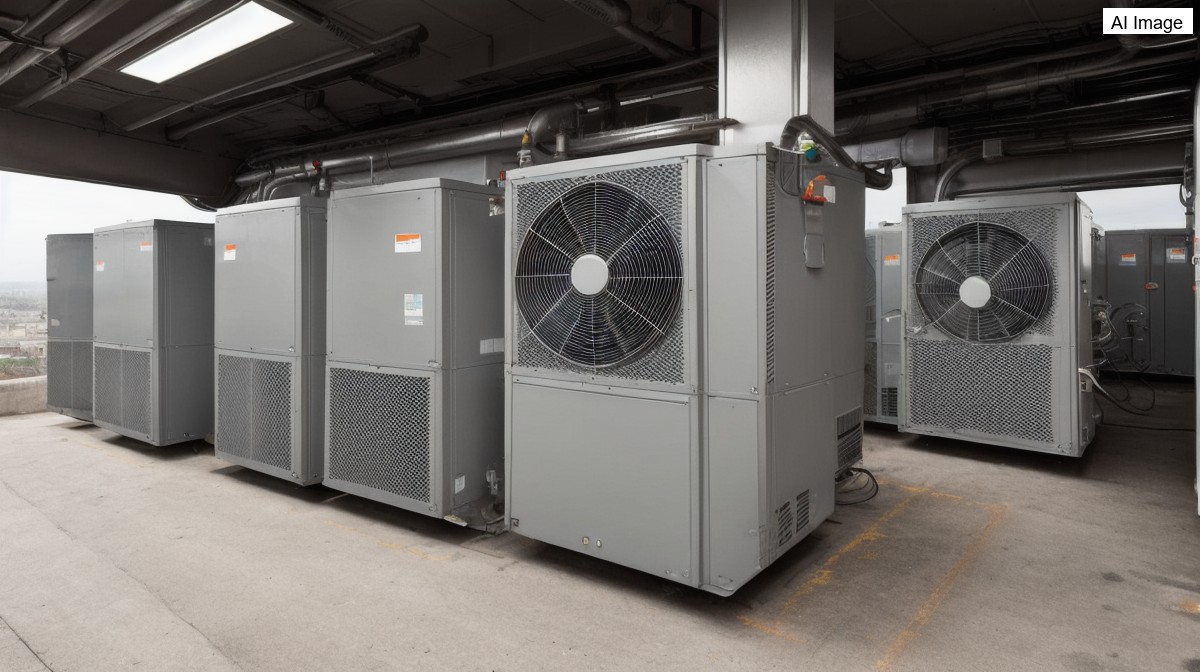
HFCs themselves are widely used in everyday systems. They are chemicals found in refrigeration and cooling, meaning they are built into equipment that keeps homes, businesses and food supplies cold. That widespread use is part of why the rules governing them draw such close attention.
What makes HFCs a particular concern for the climate is their potency. When released into the air, they can be up to 10 times more potent than the equivalent amount of carbon dioxide. With the coalition of states and cities now pressing its case, the dispute over how tightly to regulate these gases is set to be argued in court.