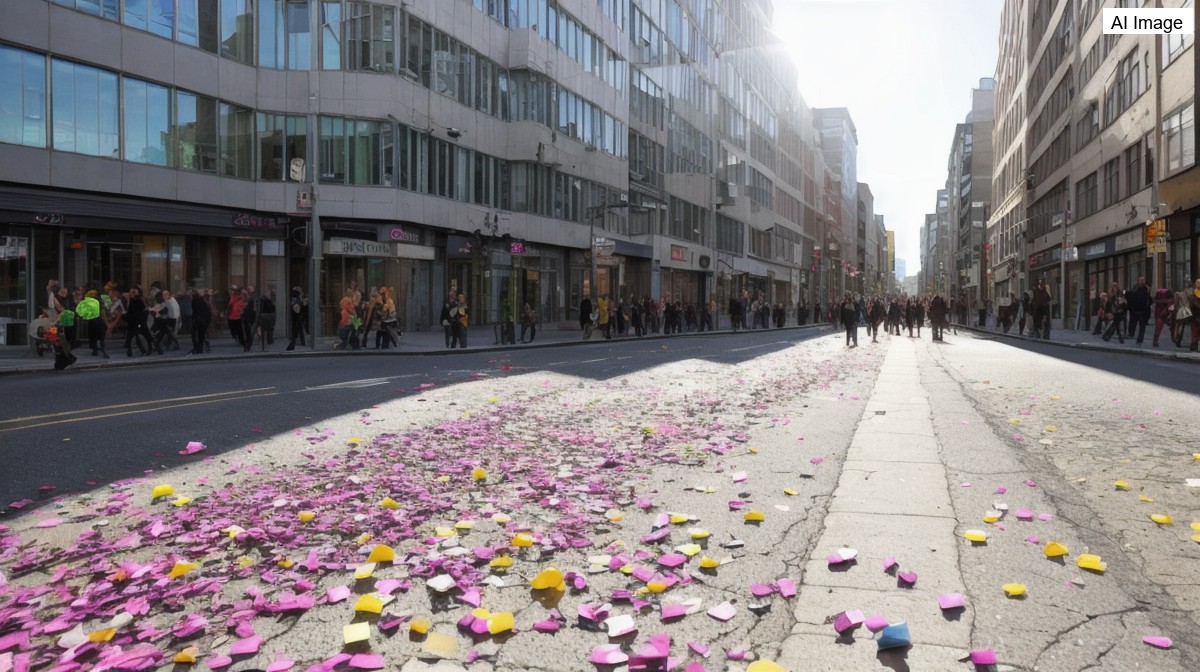
Fifth Avenue in Midtown Manhattan turned into one long, moving celebration on Sunday as the 69th annual National Puerto Rican Day Parade made its way up the famous boulevard. Red, white and blue pride was on full display along the route, with thousands of waving flags and the steady pulse of reggaeton carrying the crowd from block to block. For New York's Puerto Rican community, it remains one of the biggest days on the city's calendar, a yearly gathering that turns the heart of Manhattan into a showcase of the island's culture.
This year the parade was led by reggaeton superstar Daddy Yankee, who served as grand marshal at the front of the procession. His presence added star power to a celebration that was already overflowing with music, color and noise, as marchers and spectators alike swayed to the beat. The crowd, by all accounts, could not get enough of the music, and the festive energy ran the length of the avenue.
The theme chosen for this year's edition was a play on the island's own dimensions, summed up in the phrase that the community is more than 100 by 35. The reference is to Puerto Rico's physical size, roughly 100 miles long by 35 miles wide, and the message behind it is that the island's influence reaches far beyond those boundaries. Organizers framed the day around resilience and artistry, and the idea that Puerto Rican culture transcends the small geography of the island itself.
For many who lined the route, the parade was about pride and connection more than anything else. One attendee said the energy and the beauty of the country were there for everyone to see, while others spoke of how much the day meant to them personally. Among the crowd was a man named Jamal, who said he had traveled to the city from Puerto Rico specifically for the celebration, explaining simply that it was the place he loved and the culture he would always come back to.
Beyond the music and the flags, several participants stressed the importance of heritage and unity. They spoke of Puerto Ricans being woven into the fabric of New York City, and of the need for younger generations to understand where they come from and what the island is about. The theme of being united, reaching back to the Taino roots of the island, ran through many of the conversations along the avenue as families gathered to mark the day together.
The timing gave the celebration an extra charge, coming during a weekend when the city was already in a festive mood. Several people noted that the parade landed at a moment when New York was buzzing over the Knicks, whose dramatic run had the whole city talking. For them, having the cultural celebration and the sports euphoria fall on the same weekend made the day feel, as one reveler put it, doubly good, a rare stretch where the entire city seemed to be celebrating at once.