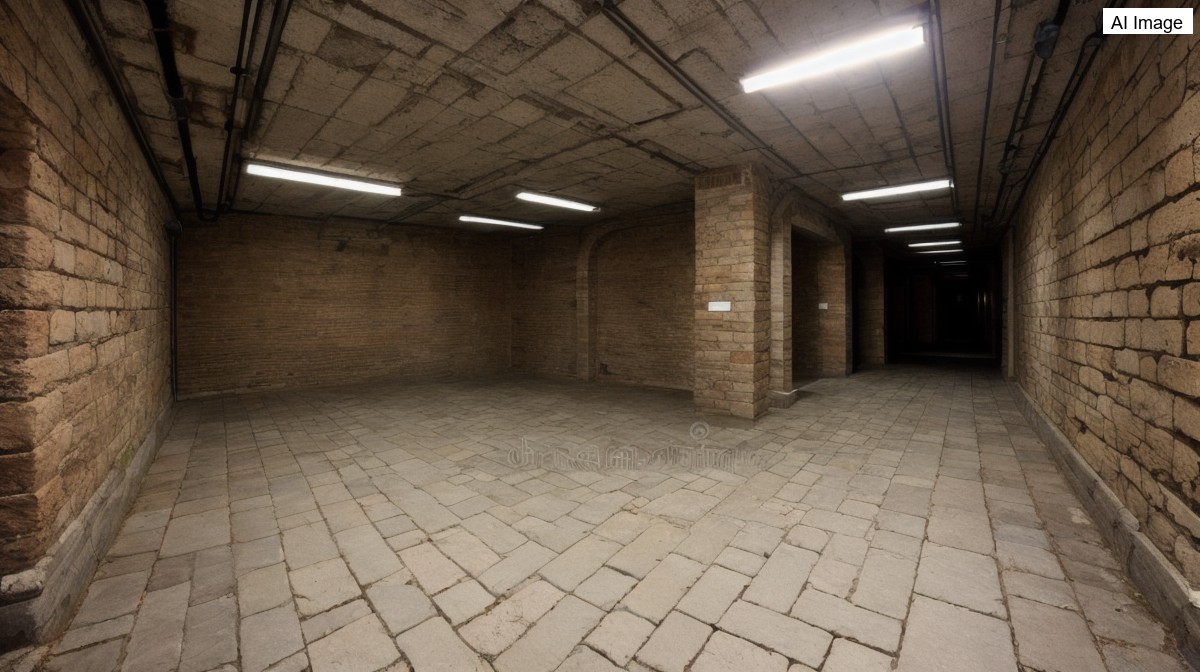
Rome's newest subway stop, just outside the Colosseum, is far more than a place to catch a train. According to a report from CBS Saturday Morning, riders who descend around 100 feet below the street are carried back more than 2,000 years, into a station that has been turned into a living monument to the ancient city above it.
Paolo Aielli, the managing director of ATAC, Rome's mass transit system, described the stop as something more than a simple station. He explained that it is, in effect, a sort of museum, because during the work of building the station crews uncovered a great deal of very important art and craftsmanship from the Roman era.
Among the discoveries now on display is an ancient bath, essentially an old steam bath, that the builders found as they dug. Aielli pointed out the original pipeline that once carried both hot water and cold water through the structure, a detail that helped visitors picture how the space had been used in antiquity.
The result has changed the way people use the stop. At least half of those who pass through, Aielli said, come simply to have a look rather than to ride. Among them were Leah and her daughter Cleo, visiting from Denmark, who said it was no great effort to stop and spend five minutes taking in something like this on the way through.
For Romans themselves, the station has become a point of pride. Antonio and Raffaella, two locals, said they were proud to be Roman, and that when you see these things there are simply no words for it. The most natural response, they suggested, is to stop, look and enjoy what has been preserved underground.
City officials are also hoping the project serves a practical purpose. They believe the inviting interior, combined with new driverless trains, can do what policy alone has not managed, namely convince more Romans to leave their cars behind. Aielli called the approach the art of seduction, a way of combining beauty, logistics and the modernization of the city.
That beauty, he acknowledged, did not come cheap, and the careful work took more time than a conventional build. Even so, Aielli argued that spending the time to maintain and give value to these findings was worth it, describing the project as the eternal city moving forward without leaving its past behind. The story was reported by Chris Livesay for CBS Saturday Morning in Rome.