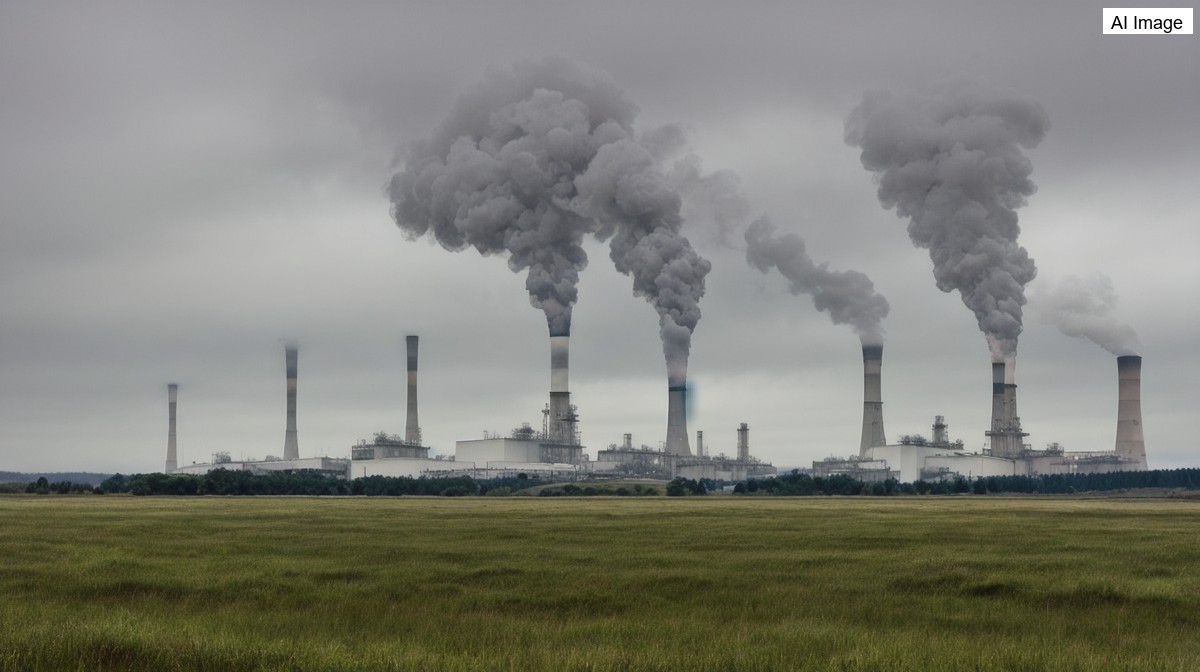
The Trump administration is forcing the TransAlta coal plant in Centralia, Washington's last coal-fired power plant, to stay online, even though it was scheduled to shut down and shift toward natural gas and currently produces no energy at all. The move keeps a facility on standby that had been on a clear path to retirement.
The plant has not been operated since December, when it was scheduled to retire. Despite sitting idle, it is now being kept ready to run under the federal directive, turning what was meant to be a wind-down into an open-ended obligation to maintain the site.
Keeping the plant available is not free. According to the reporting, the company has ongoing expenses: it resupplied coal, kept on plant operators who had been likely to be laid off in January, and continues to maintain the facility so that it could generate power if called upon.
The central complication is that the plant has no customers. TransAlta operates as an independent, so-called merchant power plant, meaning it sells into the open market rather than to a fixed set of buyers. The problem is that no one wants its coal power, a key difference from other coal plants placed in similar situations around the country.
That has set off a dispute over who should foot the bill. TransAlta is proposing to send the costs to four parties, including the Bonneville Power Administration, the major federal power marketer in the Pacific Northwest, as it seeks to recover the expense of staying online without a buyer.
The proposed recipients are pushing back. Bonneville Power has said no, arguing that it did not ask for the electricity, has not received any, and considers the charge unreasonable and unjust. California's grid operator, which also received a surprise bill, gave a similar response and rejected the cost.
With the finger-pointing unresolved, there is concern that the tab could ultimately land on ratepayers across the Northwest, meaning households and businesses in the region could end up paying to keep a dormant coal plant on call. The situation, detailed in reporting by the Washington State Standard, has become a tangled puzzle of federal policy and regional power economics.