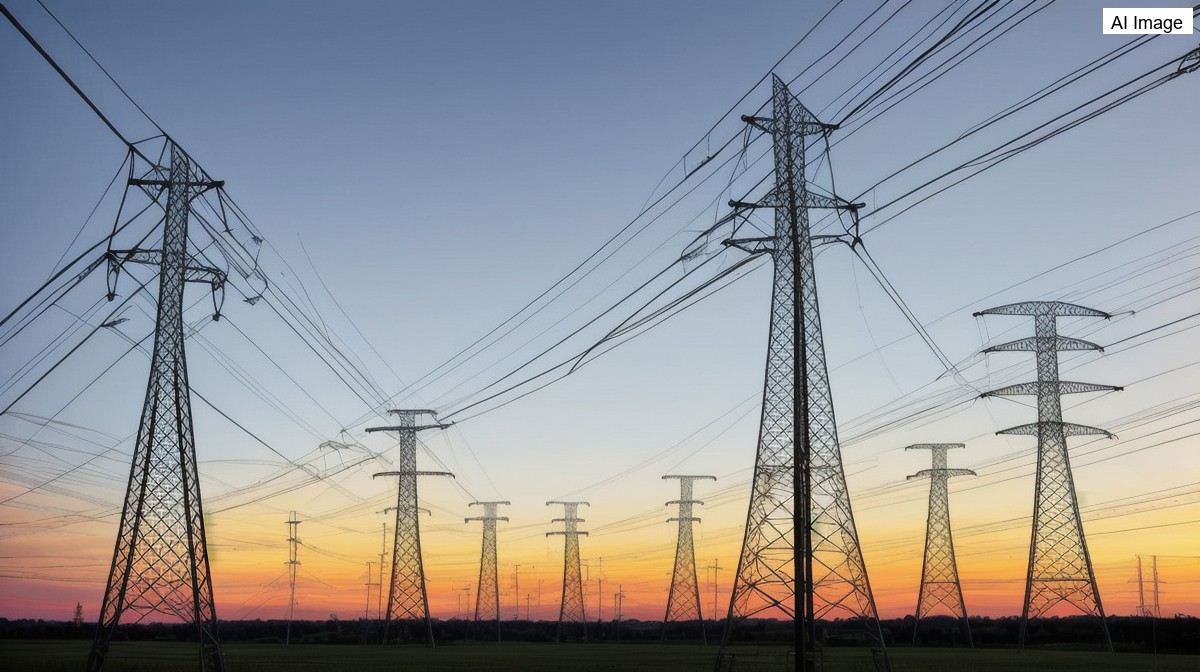
A planned Meta data center in Louisiana is on such a vast scale that its electricity needs alone have become a central part of the story. According to the account, the facility, set for Richland Parish, would require 10 new power plants to be built simply to supply it with the electricity it needs to run, an appetite for energy that sets it apart from almost any ordinary industrial project in the state.
State leaders have framed the project as an economic windfall. According to the account, the governor praised the economic impact, saying it would create 7,500 construction jobs while it is being built, more than 1,000 permanent high-paying jobs once it is running and nearly 1,900 additional indirect jobs, numbers that supporters say would ripple through the local and state economy.
The sheer scale of the power demand was laid out in stark terms. According to the account, the data center could eventually use six times more power per day than the entire city of New Orleans consumes on the hottest day of summer, a comparison that underscores why the question of how to generate and pay for that electricity has moved to the heart of the debate.
The company has sought to reassure the public about who will foot the bill. According to the account, Meta says it will pay for the new power plants and for upgrades to local roads and water systems, and the company says it struck a deal that would actually bring down local homeowners' electric bills rather than push them higher as the new demand comes online.
Not everyone is convinced by those assurances. According to the account, some consumer advocates remain unsatisfied, warning that it is not only residents of Richland Parish but all Entergy Louisiana customers who would bear the risk of the project, spreading any potential financial exposure well beyond the community that will host the site.
The incentives behind the deal have also drawn scrutiny. According to the account, critics have pointed to the lucrative state tax breaks handed to the company, while supporters counter that tax revenue from the project is already changing lives, with one example cited being bonuses of up to 50,000 dollars for local teachers that residents said had transformed their finances and retirement prospects.
The controversy has already prompted a shift in state policy. According to the account, the governor is now requiring data centers to pay for their own power infrastructure in order to qualify for state tax breaks, a change that ties the generous incentives more directly to the companies covering the cost of the electricity systems their projects demand.