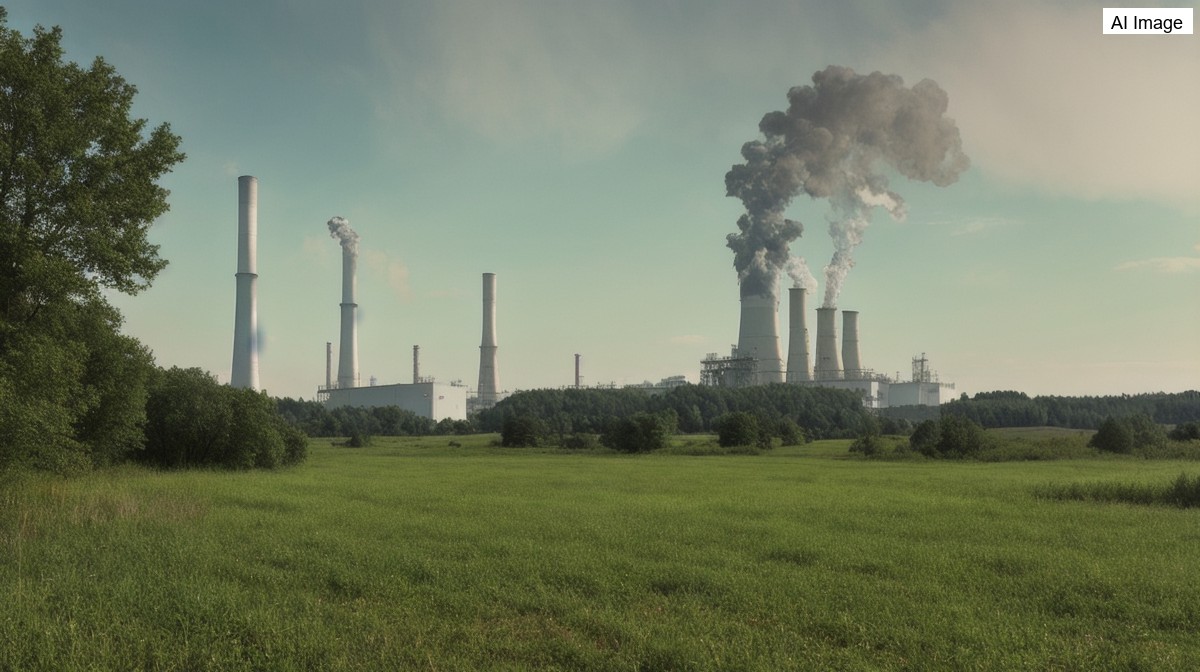
The Trump administration is forcing TransAlta's coal plant in Centralia, the last remaining coal plant in Washington state, to stay online even though it was scheduled to shut down and convert away from coal. The decision keeps a facility running on paper that, in practice, is no longer generating any electricity, setting up a tangled fight over the costs involved.
The plant has not actually operated since December, when it was due to retire, yet it is being kept on standby under the federal order. In the meantime, TransAlta continues to rack up expenses: the company has resupplied coal, retained plant operators who were likely to be laid off in January, and is continuing to maintain the site so that it could run again if required.
What makes the situation especially thorny is that the Centralia plant is what is known as a merchant power plant. Rather than serving a fixed set of utility customers, it sells its electricity into the open market, and right now there are simply no buyers for its coal power. That leaves TransAlta maintaining a costly facility that brings in no revenue, purely to satisfy the requirement that it remain available.
With expenses piling up and no income to offset them, the central question has become who should foot the bill for keeping the dormant plant ready to run. According to the reporting, TransAlta is proposing to send the cost to four different parties, an approach that has quickly run into resistance from those being asked to pay.
Among them is the Bonneville Power Administration, which has flatly rejected the idea. Officials there point out that they never asked for electricity from Centralia and have not received any, and they consider the bill both unreasonable and unjust. For a major power agency in the region, being handed costs for power it did not request has been a difficult proposition to accept.
California's grid operator, which was also sent a surprise bill, gave essentially the same response, declining to take on the expense. The pushback from these large entities leaves the question of payment unresolved and highlights how unusual it is to force a plant with no customers to stay available at someone else's cost.
The standoff has turned into a round of finger-pointing, with no clear answer yet on who will ultimately pay. As the reporting from Tom Banse of the Washington State Standard makes clear, the cost of keeping the idle plant on standby could eventually filter down to ratepayers across the Pacific Northwest, making an obscure regulatory fight a potential burden for ordinary electricity customers.