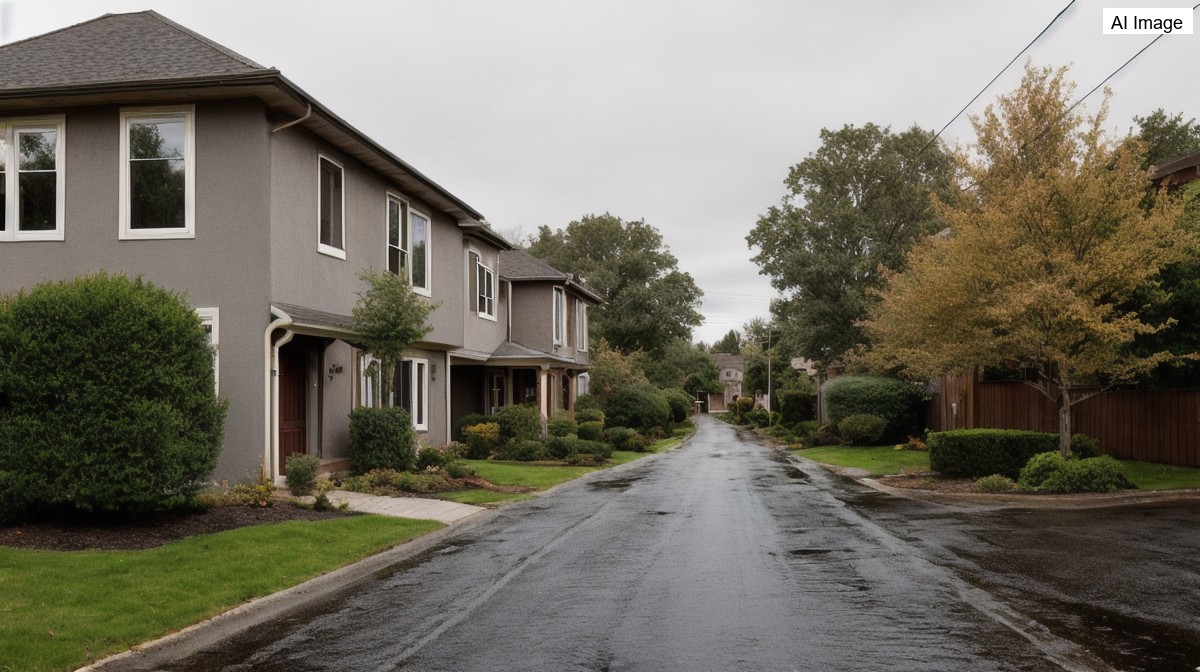
As South Florida braces for the start of storm season, flood insurance remains far from the minds of many residents, even those living in high-risk areas. In Oakland Park's North Andrews community, crews were out cleaning storm drains and clearing debris, a welcome sign of improvement for homeowners and renters in a neighbourhood where much of the land sits inside a special flood hazard area.
For retired resident James Wurtz, however, buying coverage is not a priority. He said plainly that he does not want any kind of insurance, and explained his reasoning with a family story. His brother had paid into a policy on his house for 30 years, and when the home finally flooded the company canceled him. Why, Wurtz asked, should the same thing be allowed to happen to him?
The risk he is weighing is anything but hypothetical. Three years ago, a single bout of heavy April rain wiped out homes in parts of Broward County, a reminder that the water does not need a named storm to do damage. Just one inch of flood water can cause around 25,000 dollars of damage in a home, so a foot of water would be far more costly, and the bill lands squarely on the owner.
Mark Freelander, who works for the Insurance Information Institute, urged renters and homeowners alike to strongly consider flood policies. A crucial point, he stressed, is that flood coverage is separate from both standard homeowner protection and from hurricane wind protection, meaning a family can be fully insured against a storm's winds and still be left exposed when the water rises.
For those who decide to buy in, there are a few main avenues. Buyers can secure policies through the National Flood Insurance Program, where Freelander said the average cost in Florida runs about 894 dollars a year. That federal coverage comes with a ceiling, though, paying no more than 250,000 dollars toward damage to a single family home, regardless of how much worse the loss might be.
Owners of more expensive properties, where replacement after a natural catastrophe would cost far more than that cap, are pointed toward the private market instead. Florida's Office of Insurance Regulation lists 57 private providers, giving residents options beyond the federal program if they need higher limits to match the value of their homes.
Timing, however, can undo even the best intentions. Most policies come with 30-day waiting periods before coverage actually kicks in, so there are no plans to be picked up at the last minute, and moratoriums are placed on all insurance coverage once storm warnings are issued. Wurtz has no plans to move, but he conceded he sees reason to reconsider, noting that if it flooded where he lives before, it is surely going to flood again.