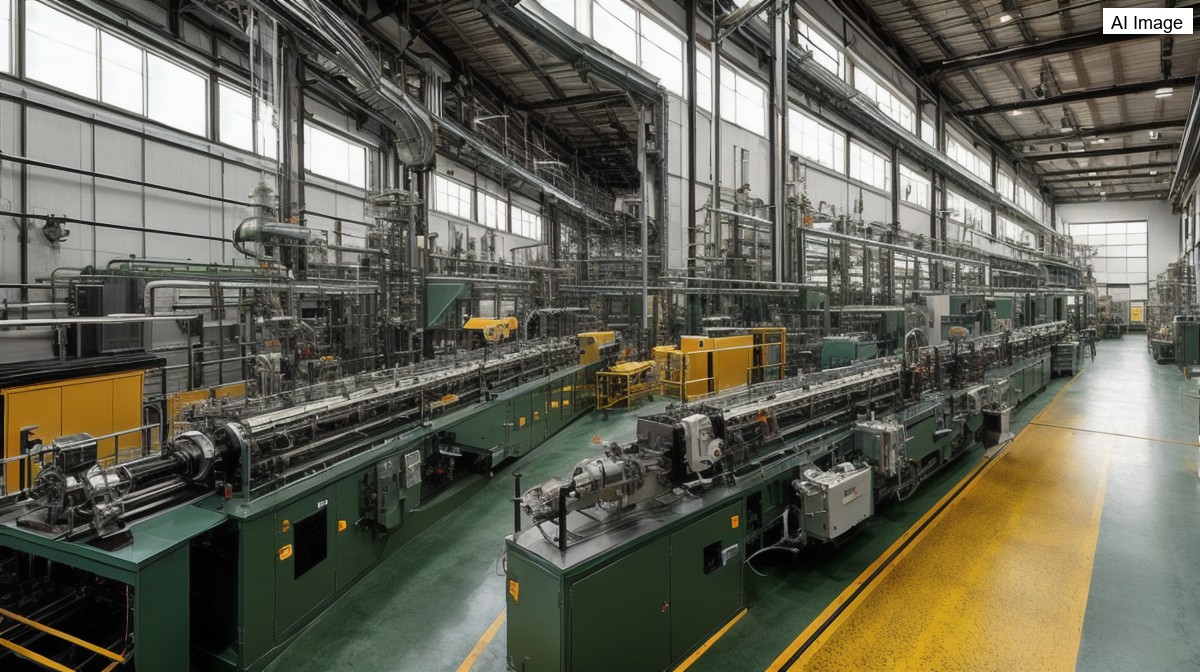
The ISM Manufacturing Index surged to a four-year high of 54 in the latest reading, beating the Bloomberg economist consensus estimate of 53 and signaling that US factory activity is accelerating. The above-50 reading confirms that the manufacturing sector remains firmly in expansion territory, defying concerns about the impact of tariffs and geopolitical uncertainty on industrial output.
Simultaneously, oil prices surged dramatically, with WTI crude climbing nearly seven dollars per barrel to reach 94 dollars. The sharp move higher came as Iran tensions escalated further, with Tehran halting its exchange of messages with Washington and state media reporting the activation of the axis of resistance across all fronts.
The combination of strong manufacturing data and surging energy prices presents a complex picture for financial markets and policymakers. While robust factory activity is positive for economic growth, the accompanying rise in oil prices threatens to reignite inflationary pressures that central banks have been struggling to contain.
The ISM reading of 54 marks the strongest manufacturing performance since 2022, suggesting that the sector is benefiting from multiple tailwinds including the data center construction boom, defense spending increases, and reshoring initiatives. The breadth of the expansion across sub-components reinforces the view that this is not a one-off data point but a sustained trend.
The oil price surge of nearly seven dollars in a single session is one of the largest daily moves of the year, reflecting the market's reassessment of geopolitical risk following Iran's decision to cut off communication with the US. With the Strait of Hormuz remaining effectively blocked for three months, any further deterioration in US-Iran relations threatens to push prices even higher.
Bond markets reacted to the dual signal of strong growth and rising energy costs by pushing yields higher across the curve. The data reinforces the narrative that the Federal Reserve is unlikely to cut rates anytime soon and may ultimately need to consider hikes if inflationary pressures prove persistent, a view that has gained significant traction among market participants in recent weeks.
For equity markets, the ISM beat provides fundamental support for corporate earnings expectations, but the oil surge represents a potential headwind for consumer spending and profit margins outside the energy sector. The S&P 500 entered the session riding a seven-day winning streak, but the conflicting signals from manufacturing strength and energy price shocks may test the market's ability to extend that run.